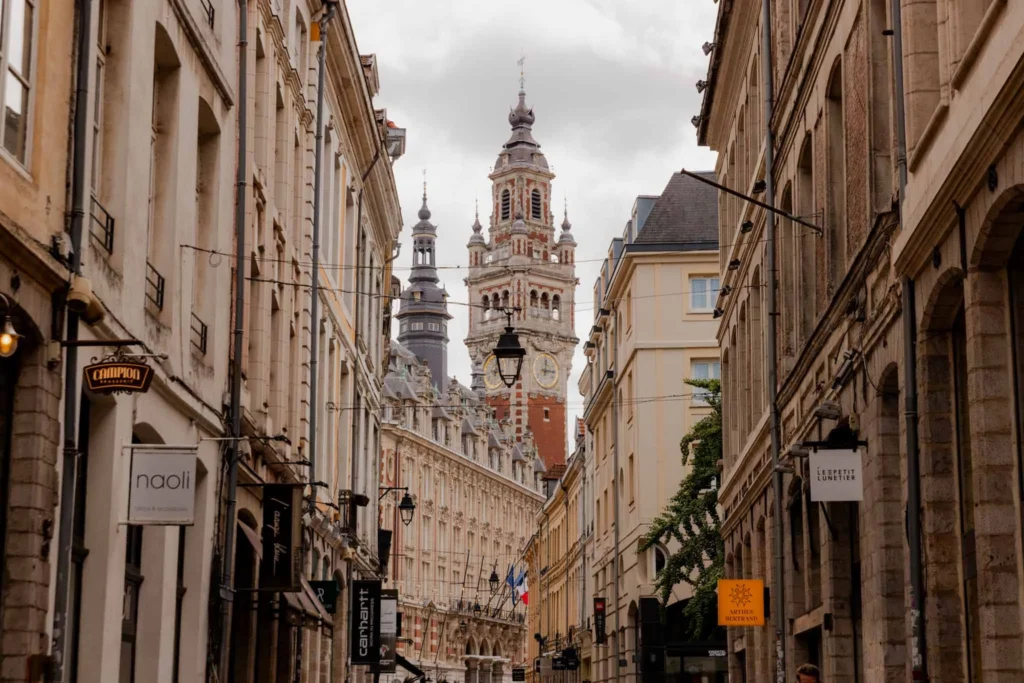
There’s something magnetic about stumbling into a city with modest expectations and leaving utterly captivated. My journey to Lille began as an afterthought—a weekend detour prompted by a friend’s enthusiasm over discounted Eurostar tickets from London. After years of traveling through France, this mid-size city straddling the Belgian border had lingered on my “maybe someday list,” perpetually overshadowed by flashier destinations. What unfolded was a pleasant surprise that redefined my understanding of French-Flemish charm.
The old town reveals itself through cobblestoned lanes where trendy shops nestle between brick row houses displaying unmistakable Flemish-style architecture. It’s the kind of place that feels like an escape hatch for Parisians craving a big-city vibe wrapped in small-town pace. The cool restaurant scene pulses with both traditional northern French dishes and contemporary culinary adventures, while stunning architecture frames every turn. This wasn’t just cute—it was a delightful city escape that snuck up on us with its great art scene and offerings that transcended mere scoops of fries, though we definitely ate very well indulging in those too.
Méert: Where Waffles Become Art
Table of Contents
ToggleBy mid to late afternoon, particularly after returning from excursions to Roubaix, the concept of a pastry break becomes not just appealing but essential—at least, that’s how I approach travel. This lovely sweet shop has anchored itself as a pastry shop icon since 1849, transforming the simple act of enjoying waffles into something approaching reverence. Their signature treat—a thin waffle cookie enveloping vanilla cream—offers a small treat perfect for consuming on the go if you’re seeking something light.
However, rushing through would mean missing the beautiful tea room adorned with 18th-century details that make stepping inside worthwhile even without ordering. I recommend securing a table inside and pairing few pastries with drinks—the mocha proved excellent, while my husband and friend experimented with cold hot chocolate, which emerged surprisingly delicious despite our initial skepticism. The classic Madagascar vanilla filled waffle remains their most celebrated offering, though we sampled a caramel situation that held its own appeal. Local delights don’t get more delightful than this, whether you’re starting your day or taking an afternoon respite. While I don’t generally need a full breakfast to start my day, leaving without trying one of these confections would constitute a genuine oversight.
Museums That Command Your Attention
The Palais des Beaux Arts sat at the top of my list for things to do in Lille, and it didn’t disappoint when we finally devoted few hours to wandering here. The ground floor offers free admission, but you’ll want to pay full admission to see the rest, which also allows access to temporary exhibits happening at that time. During our visit, an immersive Raphael exhibit showcased 40 drawings never been displayed publicly in their entirety—it all felt very special, almost intimate in its presentation.
A performance art component was happening in the sculpture area featuring topless dancers showing an archive of movements based on conversations they had with locals. This proved quite interesting, certainly more so than the religious art occupying much of the rest of the place. The masters are all mixed in throughout the galleries—you’ll find artists like Rodin, Donatello, Monet, and Manet represented here. The building itself proved stunning enough that I found myself staring up at the ceiling for about a third of our visit, mesmerized by architectural details that rivaled the artworks themselves.
Your next stop takes you just outside Lille to the city of Roubaix, requiring a 30-minute metro ride from the center, but La Piscine makes the journey well worth it. Housed in a former 1930s Art Deco swimming pool, this museum ranks among the coolest I’ve visited in France—not just for the setting but also for its well curated collection. The centerpiece remains the original mosaic-tiled pool, flanked by sculptures and bathed in warm light from two large sunburst windows that reflect soft yellows and oranges onto the water below.
In the old shower rooms, you’ll find exhibits of ceramics, textiles, and clothing that demonstrate thoughtful curation. I was especially impressed by the ceramics collection, which includes pieces by Picasso and other modern artists presented in ways that highlight both their historical and contemporary significance. This experience became a highlight of my time in Lille. If you’d rather stay in town, the Musée des Beaux-Arts offers another great option for immersing yourself in cultural treasures.
Getting there requires taking the M2 metro line from Lille Flandres, positioned near the main train station, to Gare Jean Lebas. A short walk from here delivers you to the museum entrance. You can purchase metro tickets at the station via cash or card—the system proves cheap and easy to navigate once you understand the basics.
Architectural Landmarks Worth Your Camera Storage
France loves a good triumphal arch, and Lille proves no exception with the Porte de Paris. Built in 1690 to celebrate the victory of Louis XIV over the city of Lille—which might have been an “ouch moment” back then—today it stands as a symbol of the city’s complex history. The structure reads quite atmospheric from either side, so spend some time snapping photos of the intricate carvings and sculptures recognizing Louis’ military victories displayed above the archway.
Notre-Dame de la Treille presents a striking cathedral that unexpectedly blends neo-Gothic and modern design elements. The construction took 145 years to build, and the architecture reflects this mix of styles spanning across two centuries. What really makes it stand out involves the front facade, where a large glass panel and modern rose window by artist Ladislas Kijno flood the space with light, softening the weight of the otherwise gray structure. I know church fatigue becomes real when traveling, but this one merits a stop—it’s genuinely worth stepping inside.
The Beffroi de Lille deserves attention, though we took a quick look at this one from the outside as the weather wasn’t giving “scenic viewpoint” vibes. If you’re luckier with the weather, you can climb to the top of this UNESCO World Heritage Site. Standing at 104 meters, this represents the tallest belfry in northern France. About 100 steps lead to a reception area where a lift or more steps await to get you to 360-degree views of Lille. Fun fact: the website says it’s 415 steps total if you want to climb all the way under your own power.
If you love a good view and the weather’s being cooperative, book your visit online—you’ll need one in the morning, though it’s helpful in the afternoon when people start lining up for a look too. For those moving on as we did, spend a bit of time admiring the architecture, which presents a blend of Art Deco and more regional style that speaks to Lille’s unique aesthetic identity.
The Heart of Historic Lille
In the heart of Lille’s central square, the Vieille Bourse—or Old Stock Exchange—ranks among the most beautiful buildings you’ll encounter. Built during the 17th century while under Spanish rule, the brick facade displays Renaissance-era details like hanging fruits, ribbons, and other decorated flourishes that reward close examination. Don’t leave without popping by this architectural gem.
Inside the courtyard of the Vieille Bourse, a secondhand book market operates Tuesday to Sunday from 1:00 PM to 7:00 PM, offering books, handwritten postcards, vintage posters, botanical prints, and random items like DVDs. On afternoons when it’s not raining, you’ll find booksellers hawking used books with varying degrees of enthusiasm. The selection can prove hit or miss—everything was tarped over on the day we passed by—but a couple of sellers maintained really nice posters and prints that I almost brought back to Paris. The building itself warrants a quick look regardless of market conditions.
Known locally as the Grand Place, you’ll likely pass through the town’s main square a few times during your day in Lille. They were setting up the Christmas markets here during our visit, making things a little more hectic than usual. In normal times, this serves as a hub of commerce in Lille where you can spend time admiring the architecture—a compelling mix of Flemish and French styles that defines the city’s aesthetic. The main square functions as a great spot to sit and people-watch, absorbing the rhythm of local life.
Old Town Lille overflows with charm through its Flemish-style brick row houses, cobblestoned lanes, and boutique shops appearing around every corner. Several streets and squares demand your attention: Place aux Oignons stands as one of the prettiest little squares in the old town—a super picturesque spot worth lingering in even on a gloomy day. I’m sure the Flemish-style buildings here come alive when the sun is out and colors start popping with proper illumination.
The place generally attracts popular stop traffic from both tourists and locals. I imagine abundant outdoor seating to take advantage of when weather permits, allowing you to relax surrounded by old-world charm. Find a cafe or boutique to explore nearby, or move on toward your favorite tipple spot. Walk through Vieux-Lille, the historic district where the neighborhood feels anchored by charming squares at every turn.
Additional streets worth exploring include Passage des Arts, a tucked-away passage housing galleries and shops that reward discovery. Rue de la Clef runs lined with boutiques and cafes perfect for browsing. Rue de la Monnaie presents a lively street ideal for strolling and shopping at a leisurely pace. The Belfry allows you to climb for panoramic views of the city if you’re willing to tackle the ascent.
Satisfying Your Appetite
Lille boasts an excellent eating scene, though accessing the best eateries requires arriving with a reservation, even for lunch. Restaurant Suzanne became our pick after I’d read this establishment possessed quality good enough for a Michelin star status—always the trendsetter, it proved an obvious no-brainer, though it maintains stellar reviews independent of that buzz. You can choose between two or three courses for lunch; we opted for three so we could include dessert, presenting a choice between a savory cheese plate or sweet option.
Everything emerged delicious and thoughtfully presented, yet the smoky butter may have stolen the show entirely. Fun fact: I even asked how they achieved it because the flavor tasted infused with smoke so perfectly. Turns out they employed burning birchwood to give it that distinctive essence. If you’d like to visit for dinner, things get even more adventurous—there’s no menu. You just choose between five or seven services and the chef does his thing. They honor food restrictions fully, by the way, including offering a full vegetarian menu for those requiring it.
For something quick at lunch, Bart-Foccacia produces loaded Italian-style foccacia sandwiches stuffed with combos like mozzarella, tomatoes, salami, basil, and all the Italian goodness you’d expect. There’s no shortage of bakeries in Lille if you’re hoping to grab a baguette sandwich on the go. You can stop into the very first Paul Bakery in France—it’s evolved into a popular chain since its founding, but I still enjoy their sandwiches and salads for reliable quality.
When dinner rolls around, go with something local to maximize your cultural immersion. We ate at Estaminet La CH’TITE BRIGITTE, a cozy, tavern-style restaurant that serves mostly traditional northern French dishes with authentic preparation. We ordered few things to share, creating a communal dining experience. The carbonade flamande—a hearty beef stew—was the dish I felt most excited about, and it didn’t disappoint with its rich, comforting profile full of flavor.
The poulet au maroilles emerged as our table favorite: chicken cooked in a local cheese from northern France that’s definitely on the heavier side, but the flavor proved so good we couldn’t resist. We also tried the flamiche, a savory stuffed pie, and went with the leek version for a slightly lighter option. Another spot we liked was Brasserie Campion, where the food follows typical French fare standards. I ordered a light fish dish while my husband requested a croque monsieur-style crêpe that we all loved sampling. For both restaurants, I recommend booking a table in advance to avoid disappointment.
We visited the Grand Scène eating hall twice due to its sheer variety—it’s like a food court but more high-quality and fast-casual in execution. They’re open for lunch but don’t arrive before noon no matter what it says online; you’ll only have coffee available before then. After about 7pm, you’ll enjoy your pick of vendors. We tried their burgers, falafel, and Greek food, though they also operate a pizza shop, Thai food outlet, and two full bars serving drinks.
If you want to finish up your day in Lille with something more classic, Estaminet Au Vieux De La Vieille on Place aux Oignons was also on our list. They prepare a version of Le Welsh, a specialty in these parts loosely based on Welsh rarebit. It’s essentially bread soaked in beer, then topped with generous amounts of ham, cheese, and a fried egg—pure comfort food. If both of those options sound like way too much for your appetite, all kinds of fry shops exist to choose from, speaking to the city’s proximity to Belgium. Fries prove fine as a lighter meal option, and they might sound extra fine after sampling those beer bars.
Sweet Indulgences Beyond Waffles
The Delambre Bakery captured our attention despite—or perhaps because of—my being a sucker for things advertised as “American.” Am I basic for loving all things pumpkin spice? Probably, but authenticity matters less than enjoyment. We made a return trip to this sweets shop just to acquire said cookie on a wet fall day, and let me tell you, it delivered delicious satisfaction with no regrets attached.
They maintain a shop in Paris, but since you’re in Lille, you should just make it happen here. We loved their Nutella version along with their take on Thanksgiving—an apple spice cookie that balanced seasonal flavors perfectly. If you’re dealing with an epic sweet tooth over there, Aux Merveilleux de Fred represents another popular stop for Lille tourists. The shop started in Lille during the 1990s but has expanded extensively since then, with one location in New York and another in the town we moved to in France, so we didn’t need to visit this one specifically.
I also find their meringues just fine—you have to really like that sort of thing. I’ve had it once and that’s enough for me personally, but don’t let me rain on your parade if you’re wooed by their atmospheric window displays. It’s quite atmospheric in there regardless, and their chocolate breads prove nice if meringues aren’t calling your name.
Beer Culture and Brewery Discoveries
Lille functions as a beer town, and L’Abbaye des Saveurs may represent the best place to embrace that fact fully. This beer shop sits just off Place aux Oignons, leaving you well situated for a beer break mid-exploration. You can drink few pours here if you order a snack—we’re always feeling like a snack, so the rule didn’t bother us in the slightest. A couple that came in after us appeared quite offended by the shop’s licensing restrictions and went on their way cranky and thirsty, missing out entirely.
In any case, we secured pork pâté, which paired well with my sour selection and Brian’s heavier picks from the extensive menu. The staff can help you decide on beer to match your mood or palate, as lots of options populate the shelves here. Célestin offers another popular stop if you’d like to orchestrate a beer bar crawl through the district. You can make a reservation to visit the brewery next door or just pop inside the shop to grab a few bottles for later consumption.
I really liked their blonde offering—a regional award winner that proved as bubbly as French Champagne with remarkable effervescence. Note that the Passage des Trois Anguilles sits just north of Célestin, a narrow little passageway that dates back to the Middle Ages. It’s not a must-see attraction, but it makes a quirky stop if you’re in the neighborhood anyway and appreciate historical footnotes.
Morning Rituals and Breakfast Options
For a not-so-traditional French breakfast, Paddo Caffe brings Australia to Vieux-Lille with its Sydney inspired brunch menu. From avocado toasts to stacked granola bowls topped with nut butters, the menu offers everything you could want if you’re needing a break from buttery croissants—which, let’s be honest, sometimes happens after several days in France.
They operate a couple of locations around Lille. I went to their cafe at Treille park and snagged one of the outdoor tables with a view of the cathedral, making for pleasant morning atmosphere. It gets busy on weekends, and they don’t take reservations, so you may have to wait if you arrive around peak brunch time. If you’re hoping for something quick and more French inspired, take a look at my restaurant and bakery suggestions provided throughout this itinerary for alternatives. The cafe sits across the street from Notre-Dame-de-la-Treille Cathedral—it’s not the most attractive church you’ll encounter in France, but perhaps that’s what makes it interesting enough to merit a visit to the crypt underneath if you dare venture below.
Green Spaces for Respite
On a nice day, the parks in Lille provide good places to take a break or go for a walk between urban explorations. We enjoyed wandering around La Citadelle, a spacious park containing a small zoo, a canal, and even an active military fortress that adds historical gravitas to your stroll. Jardin Vauban presents another nearby option, featuring a wide grassy area that’s perfect for relaxing or laying out for a bit when sunshine cooperates.
This represents Lille’s best green space, though we didn’t have the weather for proper enjoyment during our visit. If you do encounter favorable conditions, spend time enjoying the English gardens created here in 1863. From here, you’ll gain access to the quirky Monument aux Pigeons Voyageurs, dedicated to carrier pigeons and their role during World War I—an unexpected memorial that speaks to the region’s wartime history. You’re also positioned for a short walk to the Citadel of Lille, a historic five-sided fortress dating from the 17th century. All of that sounds like an awesome way to finish up your day of exploring Lille while connecting with nature.
Extended Opportunities Beyond One Day
It’s quite possible we’ll return to Lille, as it sits conveniently on the way to all kinds of adventure in Belgium and beyond. If that happens, we maintain a list of things we’d like to accomplish on a return trip. These include touring Maison Natale Charles de Gaulle, the birthplace of the former French president that offers historical insight into this significant figure. Shopping at Marché de Wazemmes, the city’s local market, would provide authentic immersion into daily life and local commerce.
We’d consider seeing a show at L’Aéronef, recognized as Lille’s best live music venue for catching performances. Visiting the critters at Lille Zoo appeals for a family-friendly afternoon, while doing some learning at the Musée de l’Hospice Comtesse—a former hospital that now functions as an art and history museum—would satisfy cultural curiosity. The city also serves as a great base for organizing day trips from Lille to surrounding attractions.
During our actual trip, we made time to visit the Operation Dynamo Museum and old military installations dotting the beaches of Dunkirk. You likely won’t need a full day there—we left for Lille after a late lunch, having absorbed the historical significance. On our way to Lille, we also made a stop across the border at Westvleteren, an abbey that potentially brews some of the best beer in the world according to enthusiasts. Make reservations if you’re staying here a while and feel interested in bringing a crate or two home with you as souvenirs.
Planning Essentials and Logistics
The most convenient way to reach Lille for a day trip involves train travel. If you’re coming within France, take the train to Lille Flandres station, positioned right in the center of town for immediate access. If you’re arriving from the UK, you’ll take the Eurostar to Lille Europe station—it’s only about a 10-minute walk between the two stations, making connections straightforward.
Lille proves easily accessible by air as well. If you’re flying in, Lille Airport sits just a 15-minute drive from the city center, depending on traffic patterns. You’ll likely need to connect elsewhere first, though, as the airport functions as a small regional option maintaining frequent connections from major airports in Paris and Brussels. You can also take the airport shuttle or hop on public bus #68 to get into town affordably.
Lille occupies a position as a major hub on Europe’s high-speed rail network, offering connections via Eurostar from London and TGV service from big European hubs like Paris and Brussels. This makes it possible to plan a fun day trip to Lille from Paris, especially if you catch a high-speed train—your ride should only take about an hour, making it feasible even for short visits.
We were conducting a road trip from the Paris area to Belgium with Lille as a waypoint, so we had a car at our disposal throughout. That said, we didn’t drive into Lille during our visit itself. Instead, we took the Lille Metro from the suburb we were staying in on trips into the city. It proved cheap and easy to navigate, and once we arrived in Lille itself, the city revealed itself as quite walkable. To follow this one-day itinerary, you won’t need anything other than comfortable shoes for covering distances on foot.
You can easily get around Old Town Lille on foot given its compact layout—everything falls within a 10 to 20 minute walk from most central points. An underground metro system exists, but if you’re staying in the center, you probably won’t need it for basic exploration. That said, if you’re following this itinerary and planning to visit La Piscine museum in Roubaix, you’ll want to take the metro to get there efficiently. You can purchase tickets at the metro station by cash or card. The train station also occupies a very central location—it’s only about a 5 to 10 minute walk to the main square from either station. Public transportation remains easy enough to use for day trips out of the city, though a car may just get you there faster if you’re covering greater distances.
Accommodation Considerations
Staying in Old Town Lille represents the best option for a quick trip, maximizing your time for exploration rather than transit. Hotel picks worth considering include Clarance Hotel, offering luxury five-star accommodations with elegant rooms and top-tier service for those seeking premium experiences. Au Cœur de Lille provides a charming boutique stay positioned in the heart of the old town, balancing character with convenience. Grand Hôtel Bellevue delivers classic styling while being well-located right on the main square with beautiful views that enhance the experience.
We stayed in a town near Lille as our trip emerged a little too last-minute to find something affordable in town itself. While it remained easy to connect to Lille by train from where we were positioned, if you’re only here for a day, I’d recommend finding accommodations in town to maximize your available exploration time and minimize logistical complications.
Timing Your Visit
Spring through fall represents the prettiest time to visit Lille based on weather and outdoor activity viability. We went in mid-June and encountered mostly rain and cloudy skies, though that’s pretty typical for the very north of France given regional climate patterns. Because most of the activities here involve walking around and hopping between museums, really any time of year works from a practical standpoint. With that said, I think Lille reaches its best expression during the warmer months when outdoor spaces shine.
Grande Braderie de Lille deserves special mention: every September, Lille transforms into one of the world’s largest flea markets for a weekend-long celebration. If that’s something you’re interested in experiencing, plan your visit around those dates intentionally. But if flea markets aren’t your thing or you prefer calmer conditions, I’d avoid that weekend—it becomes extremely busy with crowds that can overwhelm the normal character of the city.
Additional Dining Reconnaissance
I compiled a whole list of places to try in Lille but proved only able to make it to a handful of them during our actual stay. Here’s a roundup of bakeries and restaurants worth considering for your own itinerary. The establishments I’ve personally tried appear marked with an asterisk for transparency.
Bakeries on my radar included Bart-Foccacia for those Italian-style sandwiches and Paul Bakery for classic French options. Restaurants meriting consideration encompass Bistrot Brigand, Pulpe, Restaurant Suzanne, and Sympa for varied dining experiences. Brasserie Campion* proved reliable for typical French fare, while Estaminet La CH’TITE BRIGITTE* delivered authentic northern dishes. Paddo Caffe* served as our Australian-inspired brunch destination with satisfying results.