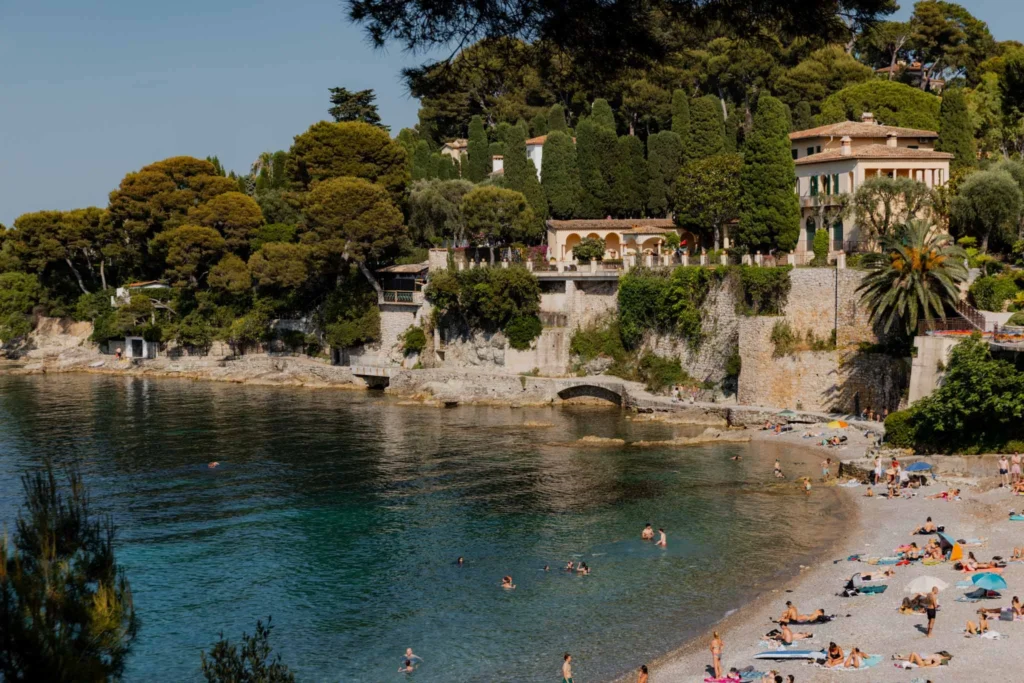
There’s something about discovering a place that feels like stumbling upon a well-kept secret, even when it’s been celebrated for over a century. That’s exactly how I felt arriving at Saint Jean-Cap Ferrat, this remarkable peninsula stretching into the Mediterranean between Nice and Monaco. The moment you leave behind the bustle of the Côte d’Azur’s main arteries, you enter an oasis where unrivalled calm and beauty become your constant companions.
This exclusive enclave, often whispered about as the “Peninsula of Billionaires,” has served as a quiet retreat for politicians, artists, bankers, and business owners for decades. But don’t let that intimidate you—I’m certainly not a luxury traveler by any means, yet my stay here became one of the favorites from my entire Riviera trip. The spa resort atmosphere combines land and sea in ways that few kilometres of coastline can match, creating exceptional conditions for those seeking natural treasures alongside cultural richness.
What drew me initially were the scenic Mediterranean views and the promise of exotic gardens, but what kept my attention was how this colorful town manages to balance its ritzy villas with accessible monuments, museums, and natural sites. The French Riviera in June offered exactly the summer escape I was craving—far removed from any typical city stay. Being just a short drive from the region’s top sights meant I could explore while still maintaining that sense of retreat.
The peninsula itself feels like a living gallery of iconic villas, each with stories woven into their foundations. Villa Santo Sospir, famously decorated with frescoes by Jean Cocteau, stands as testament to the creative spirits who’ve called this place home. Even being a three-minute walk from some of the prettiest beaches in the Riviera didn’t diminish the allure of wandering through neighborhoods where history and contemporary elegance coexist seamlessly. These aren’t just things to see and do—they’re experiences that transform how you understand what the Côte d’Azur truly represents: all its splendor concentrated in one breathtaking location sought after by visitors from around the world.
The History of Saint-Jean-Cap-Ferrat
Table of Contents
ToggleUnderstanding this peninsula requires stepping back to when Saint-Jean was merely a hamlet—an end of 19th century fishing village and farming village that formed part of Villefranche-sur-Mer. The transformation began when the Compagnie Générale des Eaux created something remarkable: a 20,000 m3 artificial lake fed by the Vésubie river. This engineering feat changed everything. Plant life diversified and densified across terrain that had been stubbornly arid and rocky, turning Cap-Ferrat into a favourite place for outings among the people of Nice and sparking the development of holiday resorts.
The political shift of 1860, when the County of Nice became part of France, set the stage for what followed in 1904—the year Saint-Jean separated from Villefranche to become a commune in its own right. Initially named Saint-Jean-sur-Mer, it adopted Saint-Jean-Cap-Ferrat in 1907, a name that would soon carry weight among Europe’s elite. Rich foreign families—English, Russian, Belgian, and others—discovered the mild climate perfect for winter escapes and began building great estates that redefined luxury. The luxury hotels began to flourish, catering to those who sought exclusivity wrapped in Mediterranean sunshine.
Around 1950, the resort evolved into a spa town, attracting visitors during summer months and international celebrities who recognized its unique appeal. But it wasn’t just the wealthy who left their mark. Matisse, Chagall, and Picasso all spent time here, though Jean Cocteau became most associated with the town through his frescoes that decorated not only the walls of Villa Santo Sospir, where he visited regularly, but also the marriage chamber in the Town Hall—artistic contributions that remain cultural touchstones.
There’s a more somber thread woven into this history, too. Charlotte Salomon, a German Jewish painter, spent two years as a guest at the Belle Aurore hotel (now La Villa Cap Ferrat Hotel and Spa) before being deported to Auschwitz at age 26, where she died. Her life inspired the novel “Charlotte” by David Foenkinos, ensuring her memory and artistic legacy endure beyond the tragedy that claimed her.
Villa Ephrussi de Rothschild
Walking toward what many consider among the most beautiful villas along the French Riviera, I understood why Villa Ephrussi de Rothschild tops so many bucket lists. This Renaissance-inspired palace on the heights represents the creative vision of Béatrice de Rothschild, the daughter of a wealthy banking family who inherited her father’s fortune and channeled it into building her dream home. While she spent most of the year at her residence on Place de la Concorde in Paris, this became her winter home—a Belle Époque-style masterpiece that the Baroness filled with everything an avid art collector could desire.
The tour takes visitors through two floors of opulent rooms where fine porcelain, 18th-century furnishings, tapestries, and antiques create an atmosphere of breath-taking collection and curation. Private apartments showcase Florentine and Venetian styles that witness the splendour of the early 20th century through richly decorated salons and precious porcelain displays. When Béatrice died in 1934, the entirety of the palace and its gardens were left to the Académie des beaux-arts (Academy of Fine Art) at the Institut de France, ensuring this listed historic monument could be visited by future generations.
But what truly sets this villa apart is stepping outside into landscaped organic parks that form nine themed gardens—a botanical tour of the world compressed into five hectares classified as a Jardin Remarquable. The rose garden leads into the Provençal garden, which transitions into the Japanese garden, each equally enchanting in its variety of styles. There’s also the French garden, Spanish sections, a Florentine area, and even a lapidary garden featuring gargoyles and religious buildings. The exotic plantings add to an experience that invites you to explore and immerse yourself in the interior and exterior artistry.
Standing among these gardens, the views become unmatched—the Bay of Villefranche-sur-Mer and Beaulieu-sur-Mer spread before you with spectacular panoramic views of the peninsula and coast. Musical fountains punctuate the visit, adding a poetic touch to this romantic setting that makes you feel like you’re stepping back in time. For art, history, and culture lovers, this is a must-see that overlooks the Mediterranean Sea while houses impressive art collections including furniture, paintings, and sculptures that transform understanding of what Belle Époque elegance meant.
The practical side matters too. There’s a small free parking lot near the entrance, though it fills up quickly—I couldn’t find a spot and ended up a few hundred meters down the road at a paid lot. Alternatively, you can take bus #15 and get off at the stop just across from the entrance called Passable / Rothschild. Check the official website for opening hours and ticket info before planning your visit. Nestling in the heart of Cap Ferrat, discovering this gem offers an exceptional experience that’s truly must for anyone exploring the region.
Coastal Walks and Walking Trails
One of the best things to do here involves nothing more than putting one foot in front of the other along trails that reveal why this peninsula is renowned for its lush Mediterranean vegetation and unique panoramas. The coastal path winds nearly all the way around, creating what some call the Promenade Maurice Rouvier—a route that stands out for its breathtaking views of cliffs, turquoise waters, and umbrella pines that are emblematic of the Côte d’Azur landscape.
The trail technically starts in Beaulieu-sur-Mer and ends at Plage de Passable, covering approximately 6 kilometers in total. I started near my hotel at Plage Paloma and followed it around the tip of the peninsula one morning—honestly the best way to start the day. If you don’t stop too many times, it takes a little over two hours to walk, though why would you rush through natural treasures like these? When I headed out around 8:00 AM in June, it was already getting hot, so if you’re planning this walk in summer, bring water, wear sunscreen, and throw on your swimsuit. Plenty of spots along the way invite you to hop in the sea and cool off, which became my favorite unplanned activity.
The Maurice Rouvier walk specifically links Saint-Jean-Cap-Ferrat to Beaulieu-sur-Mer and offers unimpeded views over beaches including Cros deï Pin and Saint-Hospice Point. You’ll discover beautiful panoramic views over the villages of Èze and La Turbie as you go. The walk begins at the town hall or at Villa Ephrussi, and along the way, you can admire the Greek Kérylos villa before arriving at the Port des Fourmis in Beaulieu-sur-Mer. Accessible to persons with reduced mobility, this short walk of about 1.5 km proves very popular for good reason.
For those seeking natural beauty without the full peninsula circuit, Saint-Hospice Point offers a beautiful walk under 2 km in the shade of Maritime pines. The interpretation trail allows you to discover coastal heritage thanks to 6 observation points, monuments like the Saint-Hospice Chapel with its bronze Madonna, plus maritime cemeteries and military cemeteries. There’s even one of the COEXIST fountains tucked into the route, adding contemporary art to historical context.
This accessible-to-all experience allows you to encounter unspoilt biodiversity where local flora and fauna flourish far from the hustle and bustle of urban life. The trail, dotted with secret coves and spectacular viewpoints, invites you to immerse yourself in nature in ways that feel increasingly rare. Hiking enthusiasts, photographers, and lovers of the great outdoors will appreciate this unique route that’s ideal for admiring the sunset or recharging batteries in complete tranquillity. From this perspective, you understand why it’s considered among natural sites worth prioritizing during any visit.
Beaches
Let me be honest—Plage Paloma was the reason I chose to stay on Saint-Jean-Cap-Ferrat. This veritable jewel nestling in a green setting ranks among the most spectacular beaches in the Riviera, and honestly, photos don’t capture how the scene unfolds. Framed by trees with a yellow villa at the far end, yachts gently bobbing in the distance create an idyllic Mediterranean scene that feels almost staged. The water stays crystal clear and ideal for a swim, though beware—there can be jellyfish, so keep your eyes open.
Here’s a heads up: it gets really busy during the day. I went early in the morning and again a couple of hours before sunset, and both times practically had the place to ourselves. That timing transformed the experience from crowded tourist spot to private paradise. The chic ambience that attracts families and couples in search of tranquillity becomes more pronounced when you’re not navigating through beach towel archipelagos.
A short walk from Paloma Beach brings you to Plage de la Fosse—Fosse Beach is long and crescent-shaped, tucked into a quiet cove that feels a bit more secluded. The beach is pebbly, so I recommend bringing water shoes, which saved my feet from the characteristic Riviera stones. I like this beach because it maintains that intimate feel even when Paloma overflows with visitors.
Adjacent sits Plage des Fossettes, a small pebbly beach next to Plage de la Fosse that’s not nearly as busy as the others. There’s a small coffee shop called La Pointe du Cap Ferrat right above the beach with tables and chairs offering an amazing view—perfect for when you need refreshment without losing your spot. This is one of the most beautiful beaches on the peninsula and ideal for snorkeling. You’ll find the old municipal wash-house here, which was still in use in the 1960s, plus remains of an old quarry that can be seen if you explore a bit.
On the western side of the peninsula, Plage de Passable becomes another popular beach with views looking out toward Villefranche-sur-Mer. Passable beach has a more intimate feel and an enchanting setting despite being well-known. Bordered by shallow waters, it’s ideal for families with children who want safe swimming conditions. There are a couple of beach clubs here where you can rent loungers, though they’re on the pricey side at around €50 per chair. If you’re not up for splurging, there’s a small public area where you can lay out your own towel and still enjoy the same turquoise waters and strikingly beautiful natural setting.
Saint Jean Cap Ferrat is home to some of the most popular beaches on the Côte d’Azur, renowned for its unspoilt beaches that create a haven for lovers of idleness and swimming. Water-based activities like paddle-boarding and snorkelling let you discover the seabed in ways that reveal why this is considered a veritable paradise. Each beach, whether busy or more discreet, sits against mountains as a backdrop with water exceptionally clear—conditions that holidaymakers seek for serenity and a change of scenery that few locations provide with such consistency.
Marina and Port
The marina serves as the main commercial area of Saint-Jean-Cap-Ferrat, and walking around this hub reveals the working heart beneath the glamorous exterior. Along the quai, you’ll find a string of restaurants and shops by the water where I ate dinner during my stay, watching the light change over vessels that represent every price point imaginable. The Port of Saint-Jean-Cap-Ferrat sits ideally located between Nice and Monaco, representing the “French Riviera” in all its splendor—truly sought after by visitors from around the world who understand what this positioning means.
Just above the marina stands the Saint-Jean Baptiste church, which you can visit along with a convenience store, bakery, and a few boutiques that provide practical necessities wrapped in Mediterranean charm. It’s a quick walk from both Plage de la Fosse and Plage Paloma, so if you want to get lunch at a restaurant or get picnic items from the grocery store, it’s easy to get here without requiring transportation.
Saint-Jean-Cap-Ferrat benefits from an extraordinary microclimate, much sought after by yachtsmen who, as soon as they leave the port, enjoy enchanting anchorage areas. The Pointe de Saint Hospice, the Fosses, the Fossettes, and the Villefranche-sur-Mer bay (etc.) provide protected waters that sailing enthusiasts prize, making this more than just a picturesque stopping point.
The Quai Virgile Allari sits ideally located in the heart of the “Nouveau Port,” where you’ll find restaurants, shops, exhibition spaces, and the Tourist Office concentrated in one accessible area. This extension enabled the old port to be enlarged in the 1970s, and now accommodates over 560 boats—a significant capacity that speaks to the peninsula’s enduring appeal among the maritime community. Standing here at sunset, watching crews prepare vessels or families returning from day sails, you witness the living relationship between this community and the sea that shaped its entire evolution from fishing village to international destination.
Villa Kerylos
Though technically located in Beaulieu-sur-Mer, just next to Cap Ferrat, Villa Kérylos deserves mention as a stunning recreation of an ancient Greek villa that provides fascinating historical context. Built in the early 1900s, it was inspired by homes from the island of Delos and designed as a tribute to classical Greek architecture—a scholarly fantasy made permanent in stone and decoration.
Inside the villa, you’ll find walls covered in intricate frescoes, ceilings with richly carved woodwork, and floors laid with detailed mosaics that tell stories of ancient Mediterranean life in ways that transport you across millennia. I didn’t have time to visit on this trip, but it’s high on my list for next time, particularly after hearing from others about how the attention to archaeological detail creates an immersive experience unlike typical museum visits.
For opening hours and ticket info, visit the official website before planning your approach. The proximity to everything else on Cap Ferrat makes it an easy addition to any itinerary, especially for those drawn to how different eras of Mediterranean culture influenced the region’s identity.
Saint-Hospice Chapel
This listed historic monument since 1929 has become a place of pilgrimage marked by a bronze statue of the Virgin some ten metres tall—an impressive sight that commands attention even from distance. Built in the 11th century and restored in the 17th and 18th centuries, the chapel pays homage to Hospitius, a Benedictine monk spared in 575 by the Lombards who were astonished by his calm in the face of death.
The story goes that when invaders arrived expecting resistance or fear, they found instead a monk whose serenity in the presence of mortality moved them to spare both his life and the sacred spaces he tended. Whether you approach this as spiritual pilgrimage or historical curiosity, the chapel represents layers of faith and culture that predate the peninsula’s modern reputation by centuries, grounding the luxury and glamour in something more ancient and enduring.
Place David Niven
Named Place David Niven in memory of the English actor who owned the villa La Fleur du Cap (formerly Lo Scoglietto) for over twenty years, this square connects multiple threads of the peninsula’s cultural tapestry. The emblematic residence on the Promenade Maurice Rouvier served as the setting for several scenes of the film “The Heir to the Pink Panther” in 1983, cementing its place in cinematic history.
Actor Charlie Chaplin stayed here with his family during the summer of 1956, adding another layer to the location’s celebrity associations. From this square, you can reach the famous Villa Ephrussi de Rothschild by walking up the allée des Tilleuls and avenue Honoré Sauvan—a pleasant approach that builds anticipation. This gem of the Belle Epoque boasts 9 themed gardens and a remarkable collection of works of art that justify its reputation.
You can also reach the town of Beaulieu-sur-Mer by continuing along the path for a few hundred meters, making this square a practical junction point for pedestrian exploration. Standing here, you’re positioned at the intersection of natural beauty, architectural achievement, and entertainment history—a combination that captures what makes Cap Ferrat more than just another coastal resort.
Water Sports at Le Nautic Cap Ferrat
For those seeking active engagement with the sea rather than passive appreciation, Le Nautic Cap Ferrat offers Stand-up paddle, kayak, windsurf, wing foil, e-foil, and seabob rentals that transform observation into participation. They even offer Paddle yoga for those who want to combine fitness with the challenge of maintaining balance on water.
Located in the heart of Cap Ferrat on the outskirts of the village, Nautic is a water sports center open onto the fine sandy beach of Cros deï Pin. You can rent and enjoy a range of water sports that allow you to explore this wonderful spot by the sea and discover new sensations that static beach time simply can’t provide. The center’s positioning means you’re accessing some of the most protected and scenic waters along this coast, making it ideal for beginners and experienced enthusiasts alike.
Where to Stay
Hotel Brise Marine became my home for two nights, and I loved how this family-owned, 19th-century villa balanced character with comfort. The rooms look out to the sea or the garden-covered hills, creating the sense that you’re staying in someone’s elegant private home rather than a commercial hotel. Breakfast is served out front on the terrace with exceptional views of the coast that made lingering over coffee an essential morning ritual.
The rooms are a bit dated—my blue-carpeted room could have used an update in terms of modern aesthetics—but everything was very clean, and the slightly vintage atmosphere added rather than detracted from the experience. I would definitely stay here again, particularly given how the value proposition compares to other peninsula options.
For those with different budgets, the Grand-Hôtel du Cap-Ferrat, A Four Seasons Hotel represents luxury through and through. This 5-star Four Seasons property is as glamorous as it gets on the Riviera, with manicured gardens, elegant rooms, and a stunning swimming pool overlooking the sea that appears in countless travel magazines. If I had the budget, I’d stay here in a heartbeat, though I’d probably spend so much time photographing the grounds that I’d miss the very tranquility I was paying for.
Where to Eat
Le Cap invites you to dine in the gardens of the Grand-Hôtel du Cap-Ferrat at this Michelin-star restaurant where you can choose from one of their set menus. Featuring a Mediterranean influenced menu highlighting French cuisine, the experience justifies the price through both culinary excellence and atmosphere. Make sure to reserve a table well in advance, as this isn’t a place where spontaneous walk-ins typically find space.
La Veranda offers another restaurant at The Four Seasons Hotel with a French bistro-style menu. You can reserve a table for breakfast, lunch, or dinner, making it more flexible than some of the peninsula’s higher-end options. The bistro approach means slightly more relaxed atmosphere while maintaining quality standards.
Le Quai 28 brings a seafood focused restaurant located right on the water at the marina, where freshness comes guaranteed by proximity to the fishing traditions that founded this community. Watching boats come and go while eating what they’ve brought in creates a connection to place that fancier establishments sometimes lack.
La Musa offered something completely different—Mexican and South American inspired dishes that I chose specifically because I wanted different flavors, something other than pasta and seafood. We got the nachos and tacos, and while nothing compared to what we get in the western US (that was to be expected), we were satisfied with the change of pace. Sometimes when traveling, you need flavors from outside the local tradition to reset your palate and appreciation.
Cap-Ferrat Boat Tours
A Half-day Catamaran Cruise & Brunch lets you spend 6 hours cruising around the bay of Villefranche-sur-Mer and swimming in Cap-Ferrat waters from a catamaran—a perspective that reveals why sailors consider these anchorage areas so enchanting. The combination of movement, meals, and swimming creates a rhythm that’s particularly appealing for those who find themselves restless with static beach days.
For those preferring more control, a Private Boat Tour from Saint-Jean-Cap-Ferrat lets you choose your own route on this private boat tour, customizing the experience to match specific interests, whether that’s hidden coves, snorkeling spots, or simply positioning for optimal photography angles as golden hour approaches.
How to Get to Saint-Jean-Cap-Ferrat
By Car, depending on traffic, it’s about a 30-minute drive from Nice airport to Saint-Jean-Cap-Ferrat. Driving is a bit stressful through the city, but once you make it out of Nice, it’s a breeze following coastal roads that make the journey part of the destination. There is paid parking along the main roads in Cap Ferrat, though if you want a parking spot near the beach, get there early before the lots fill completely.
By Train/Bus offers a more relaxed approach. From Nice, take the regional train from Nice-Ville station to Beaulieu-sur-Mer, about a 10-minute ride that eliminates driving stress. From here, take the #15 bus to your destination in Saint-Jean-Cap-Ferrat, connecting you to specific locations across the peninsula.
Bike became surprisingly popular during my visit—a lot of people were getting around by Lime e-bike, which offered flexibility without the parking challenges. There’s a charging station near Plage Paloma, and I’m assuming visitors were picking them up in Villefranche-sur-Mer and riding them over, taking advantage of relatively flat coastal routes that make cycling practical even in summer heat.
When to Visit
I visited Saint-Jean-Cap-Ferrat at the end of June, hoping for the full summer experience, and got exactly that. The weather was hot and ideal for long beach days and dips in the sea that became essential rather than optional. It was a little too warm for extensive town hopping, but otherwise, early summer is a great time to go if your priority is beach access and swimming conditions.
The only downside was how busy it became—understandably so, given the conditions. If you’re hoping to avoid the crowds, think about visiting in May or September when the weather is still lovely but the pace is a bit quieter. Those shoulder seasons offer the same Mediterranean climate without the peak-season density that can diminish the sense of escape. The mild climate that originally attracted those rich foreign families in winter months means the peninsula remains appealing across most of the calendar, giving you options beyond the traditional summer window.