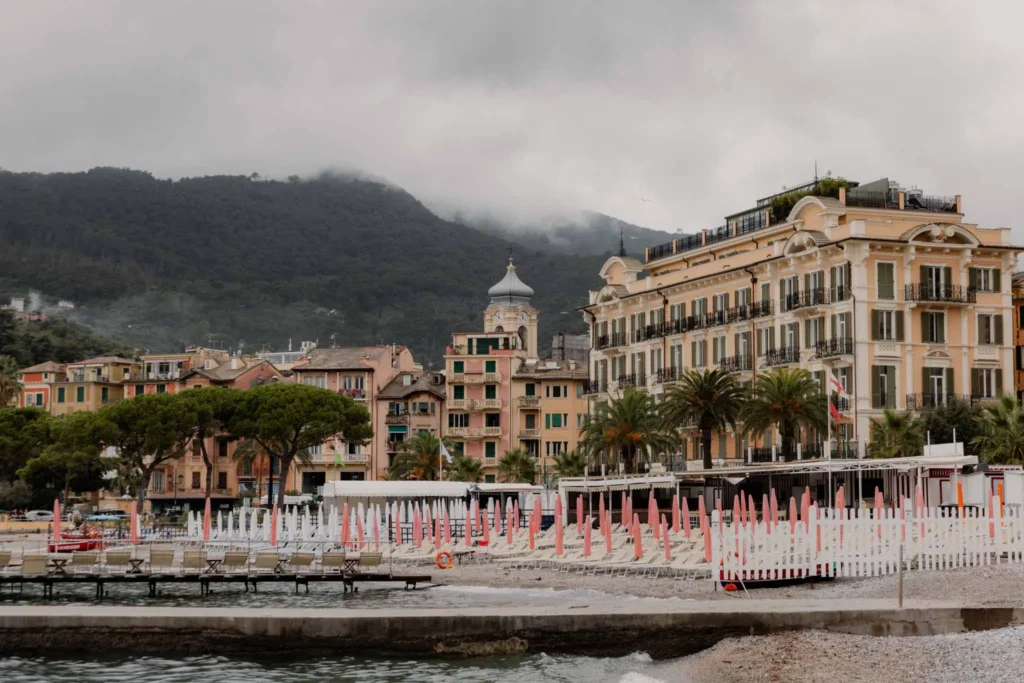
The Italian Riviera holds countless treasures, yet few shine quite like Santa Margherita Ligure. While Portofino commands attention with its designer names and polished reputation, this neighboring gem offers something far more authentic—a glimpse into genuine coastal Italian life where locally owned stores outnumber flashy boutiques, and the rhythm feels refreshingly unhurried.
My first encounter with this town happened almost by accident. Originally eyeing accommodations elsewhere, I found myself drawn here by availability at a guesthouse I’d been tracking for years. That spontaneous decision transformed into one of my most cherished Italian experiences, proving sometimes the best discoveries come unplanned.
Discovering Villa Durazzo’s Hidden Gardens
Table of Contents
TogglePerched on a hill overlooking the Mediterranean sea, Villa Durazzo deserves your slow afternoon attention. This late 18th century masterpiece, built by the Durazza family, showcases a gorgeous pink facade complemented by green shutters that catch the coastal light beautifully. Step inside and you’ll encounter terrazzo floors polished to perfection, frescoed walls depicting classical scenes, and Venetian chandeliers that sparkle overhead.
The real showstopper waits outside. Garden paths wind through exotic plants and tropical flowers, creating a peaceful haven where you can escape the busy streets below. I settled onto a bench for nearly an hour, simply absorbing the balcony views framed by statues gazing toward town and sea. This beautiful mature palm garden features a Ligurian mosaic cobblestone terrace called a risseu—an art form worth studying up close.
The 17th century villa houses an art collection alongside Murano glass chandeliers that demonstrate Venetian craftsmanship. Gardens remain free to explore, though a small fee grants access to the villa’s interiors. Villa Durazzo’s official website provides current visiting hours and admission details.
Just down the hill, Santa Margherita Castle stands as a quick stop during your walk back. The tall stone tower doesn’t offer extensive exploration, but it’s worth pausing at this historical marker. If you need somewhere to sit and recover from a long lunch, the villa grounds provide ideal respite.
Wandering Through Town Streets
The old town wraps around a wide harbor where colorful buildings painted in pink, orange, and yellow create that quintessential Ligurian charm. Small enough to cover in two to three hours of wandering, the area rewards aimless exploration. Unlike nearby Portofino with its concentration of designer names, shopping here feels genuine and approachable.
I discovered Accademia Lifestyle tucked along a side street—this shop curates tasteful pieces sourced from across Italy, and I couldn’t resist their glassware collection. Ikikiz caught my attention next, a clothing boutique specializing in relaxed, natural fabrics with simple, effortless styles that embody coastal living.
The main square, Piazza Caprera, pulses with local energy. Nearby, Panificio Pasticceria Dama tempts visitors with their cake shop displays—stop for a slice of something sweet mid-afternoon. Antica Drogheria Seghezzo has earned fame for their almond biscotti, though their selection extends far beyond. This food lover’s paradise stocks everything you could possibly wish for, including many local products that make perfect edible souvenirs.
For focaccia enthusiasts, Pinamonti represents a good place to sample various forms of this Ligurian staple. The middle of town concentrates most boutique stores, creating an easy walking loop that never feels overwhelming or rushed.
Coastal Relaxation Options
Beaches line the coastline along Santa Margherita’s harbor, though this isn’t primarily a beach resort. Most surfaces feature shingle rather than sand, but opportunities for swimming and relaxing abound when the mood strikes. Several private beach clubs operate along both sides—Central Bagni and Bagni Vicini anchor the southern side of town, while Bagni Sirena and Bagni Rosa serve as popular private options on the north end.
Summer months bring premium pricing—expect 35–60 euros for chairs and an umbrella, though rates vary by location and season. Prices reflect half day or full day rental options. If you prefer bringing your own towel, Spiaggia Libera serves as the main public beach, while Spiaggia Minaglia offers additional free spots to lay out. When I visited on a windy afternoon, the beach clubs remained surprisingly quiet, creating a peaceful atmosphere.
Beyond immediate shoreline relaxation, the Gulf of Tigullio encompasses a protected marine area utilized for diving and snorkeling. Genoa University conducts marine science research here, adding academic credibility to conservation efforts. Water based activities flourish—sailing and kayaking attract enthusiasts year-round, taking full advantage of these pristine conditions.
Exploring Nearby Destinations
Santa Margherita Ligure functions as a great base for exploring the Italian Riviera, positioned centrally for easy train or ferry connections. During my three-day stay, I managed day trips to several nearby coastal towns, each offering distinct character worth discovering.
Camogli sits just a quick three-minute train ride away. This picturesque coastal town between Portofino and Genoa deserves roughly 3 hours of exploration. Focacceria Revello produces focaccia worthy of your highest recommendation—I still dream about their perfectly crisp, herb-topped slabs. On a nice day, head to Spiaggia Libera di Camogli, the beach offering amazing views that rival any postcard.
Reaching Portofino requires either the #782 bus or ferry service, both taking approximately 15–20 minutes. Download the AMT Genova app for purchasing bus tickets digitally, while ferry tickets sell at the dock. Plan for half a day minimum, as the harbor and hillside paths demand leisurely pacing. Weather cooperating, continue onward to San Fruttuoso, a secluded bay accessible only by boat. Unfortunately, when seas proved too rough during my visit, we had to skip this destination—a reminder to build flexibility into any itinerary.
Cinque Terre ranks among Italy’s most famous spots, located just 1.5 hours by train. Though I’d explored these colorful seaside villages previously, accompanying my mom on her first visit reminded me why crowds flock here. Boat trips can reach the area either the whole way or part of way depending on time of year, though honestly, I much prefer Santa Margherita’s surrounding areas to the always overcrowded Cinque Terre experience.
Sestri Levante appeared repeatedly in magazines I read and received enthusiastic endorsement from my hotel host as a must-see. Located twenty minutes away by train, this under-the-radar destination promises beautiful beaches without excessive tourism. We ran out of time and chose Cinque Terre instead, leaving Sestri for a future trip.
Boat trips operate regularly around the perimeter of Portofino Regional Park, connecting different towns along the coast. You’ll need to plan your day carefully to take full advantage of scheduling, but this alternative to train travel offers spectacular perspectives from the water.
Trail Adventures Above Town
This area deserves recognition as a real paradise for recreational walkers and more hard core hikers alike. Well-marked paths crisscross the hills in a variety of lengths, accommodating different levels of difficulty and elevation changes. Every trail delivers jaw-dropping views as standard equipment.
From my experience walking these routes, you’ll always encounter a few other people, preventing any sense of feeling too isolated. Yet at the same time, paths never become crowded—there are just too many miles of trails dispersing foot traffic naturally. Whether you’re after gentle coastal strolls or challenging climbs, options exist for every fitness level and time constraint.
Culinary Experiences Worth Savoring
Food and wine occupy a large part of any proper holiday in Italy. When we’re not actually eating, we’re looking for food, reading about local specialities, or planning our next meal. Santa Margherita Ligure proves to be no slouch when it comes to satisfying these priorities, and Liguria as a whole excels, especially for those who appreciate seafood in all its forms.
The local speciality centers on a large deep sea variety of shrimp displaying a distinctive bright red color. These expensive crustaceans offer delicate flavor that Ligurians often enjoy eating raw with just oil and a little salt. Beyond this regional treasure, two other food items have made Liguria justifiably famous: pesto genovese and focaccia in its various forms.
Trattoria da Pezzi earned repeat visits from us—so good we went twice during a short stay. Order the mandilli al pesto without hesitation, and trust whatever seasonal dishes they’re featuring. Reservations come recommended, though we lucked out and got in both times without one, arriving early enough to snag tables.
La Paranza da Marina came recommended by our hotel host, and their suggestion proved golden. We ordered a whole fish baked with potatoes and cherry tomatoes—it ranks among the most memorable meals of the entire trip. The preparation showcased the fish’s freshness without overshadowing its natural flavors.
For solid Italian classics right in the heart of town, Angolo 48 delivers consistently. I chose the fish-stuffed ravioli while my mom opted for lasagna bolognese, and both plates arrived excellent in execution and generous in portion.
My most recent dining experience in May took place at La Cambusa, positioned right on the front with harbor views. Their mussels proved excellent, as did the grigliata mista di pesce, which included some of those delicious local shrimps. Restaurant recommendations remain inherently subjective and things can change quickly, but this spot maintained quality across multiple courses.
If you’re staying somewhere with cooking facilities, head straight to Seghezzo—one of the best food shops along the entire coastline. This market stocks everything from basics to specialties, making meal preparation both easy and inspiring.
Planning Your Arrival
Nearest airports include Genoa as the closest option, with Pisa serving as another good choice for flights within Europe. Those flying internationally from outside the EU will likely route through Milan, requiring approximately a 3.5-hour train ride to reach Santa Margherita Ligure. I traveled from Nice, France, a journey taking around 3.5 hours that passed quickly through stunning coastal scenery.
The train station sits within a 15–20 minute walk from most places in town. If you’re traveling with a lot of luggage, you can easily grab a taxi from the station to your hotel. Book train tickets through Trenitalia.com, Italy’s official rail website, ideally purchasing several days in advance for better pricing.
Driving presents a mixed proposition. Santa Margherita is larger and easier to navigate by car compared to Portofino or Cinque Terre, making it reasonable for those who value flexibility, especially when reaching places with fabulous views requires leaving the main roads. However, parking becomes a nightmare for everyone except local residents holding permits.
Steep Italian hillsides prove difficult for those not accustomed to mountain driving. I’ve learned to copy Italians and park semi-legally—in Italy there exists a grey area between legal and illegal parking that typically does not result in a ticket. Still, on two occasions over the last few years, I found myself completely unable to park anywhere near my destination, forced to change towns and lunch plans at the last minute.
Consider that all stations along this coastline are located right in the center of towns, often positioning you much closer to where you need to be than non-resident car parks. When you couple convenience with the cost of a rental car, not inconsiderable tolls, and gas expense, using the train should make room in your budget for a fair amount of add-on taxi fares. Local transportation—bus, ferry, and train—connects surrounding towns efficiently.
The coastline sits within easy weekend reach of several large cities. Genoa lies very close, Pisa and Lucca rest less than two hours away, and Milan, Turin, and Parma require not much further travel. Consequently, during weekends or anytime in summer, it’s advisable to secure dinner reservations ahead of time. Booking accommodation proves essential, or you’ll end up driving up the mountain in the dark trying to find something available.
Accommodation Insights
Restaurant prices in Santa Margherita Ligure roughly match similar restaurants in Lucca, but accommodation here runs definitely more expensive. Some towns nearby offer cheaper places to stay—I’ve covered much of the Riviera di Levante in separate articles if budget concerns drive your planning.
That guesthouse on my hotel wishlist finally became available, and the owners’ vision impressed from first arrival. They purchased the villa before Covid and subsequently transformed it into seven beautifully renovated rooms. Common areas and a breakfast terrace overlook the entire town, with views stretching all the way to Portofino. Mosaic terrazzo tile covers floors throughout, while ceilings feature frescoed artwork. Everything about this place feels dreamy—I’d stay again in a heartbeat.
During our visit, we met a lovely mother-and-daughter duo who couldn’t stop raving about their experience. Villa Gelsomino Guesthouse represents a fantastic luxury hotel option combining intimacy with elegance. For those seeking grander accommodations, several Belle Epoque era hotels occupy an exclusive promontory as you enter town, most opening during the first few years of the 20th century.
Time Investment Recommendations
I spent three days in Santa Margherita Ligure and wished I’d stayed one more. Four days hits the perfect balance if you plan to take day trips along the coast. Three days felt a bit rushed—I wasn’t able to get to everything on my itinerary, including Sestri Levante and return visits to favorite restaurants.
You need only a day to see the town itself thoroughly. However, I highly recommend using Santa Margherita as your base for a broader Italian Riviera trip. The combination of authentic atmosphere, central location, and quality dining creates an ideal home base for daily adventures followed by evening relaxation.
Historical Connections
Any eagle-eyed Englishman reading this article might notice the cross of St George flying over the old castle visible in photographs. It should be noted that Genoa adopted the St George’s Cross as its flag and St George as its patron saint during the Crusades. The symbol and flag were then adopted by England around 1200 for their ships entering the Mediterranean, providing them the benefit of protection from the Genoa fleet.
The English Monarch paid an annual tribute to the Doge of Genoa for this privilege, though some centuries later, apparently the payments ceased. A few years ago, the mayor of Genoa, Marco Bucci, was quoted as saying he was thinking of writing to the Queen with a request for back payments and interest. He was probably joking, though given the European Union’s antagonistic posture towards England—and more recently towards Switzerland—in recent months, it’s surprising that someone in Brussels didn’t think of adding this to the Brexit divorce bill.
This stretch of coastline has always maintained an old world charm missing from much of the French Riviera for decades. The impossible landscape combined with boundaries of the Portofino Regional Park probably saved Santa Margherita from being ruined by the hideous apartment blocks visible on the periphery of many other coastal towns in Italy during the 1950s and 1960s construction boom.
Sant Margherita Ligure truly deserves recognition as the grande dame of the entire coastline. While it never acquired the luster and glamor of the French Riviera, at least for international visitors, and has been little used by Hollywood film makers, the Eden Palace Hotel did serve as the setting for the 1961 film ‘Come September’ featuring Rock Hudson, Gina Lollobrigida, and Bobby Darin. On that film set, Darin and Sandra Dee first met, creating romantic history alongside cinematic history.
Even today, though very well known and appreciated by both Italians and more discerning visitors to Italy, Santa Margherita certainly doesn’t get the sort of attention that the Amalfi coast attracts—and that’s fine by those of us who value authenticity over fame. Nearby Portofino maintains international celebrity status, perhaps just famous for being famous, but authentic Italian fishing village character doesn’t include Gucci and Louis Vuitton shops replacing fishing boats with ugly mega-yachts.
Part of Portofino’s fame stems from brightly colored Ligurian style houses around the harbor, yet there’s no shortage of these either in Santa Margherita Ligure or other coastal communities. Excellent examples populate the waterfront here, featuring arches, architraves, porticos, and balustrades painted in pastel colors, often utilizing trompe-l’oeil or faux style techniques pretending to be three dimensional architectural decorations when they’re actually just paint. Sometimes you must study a window for a minute or two determining whether it’s real or not—a delightful visual puzzle that rewards careful observation.
The Riviera di Levante presents taxing geography that makes for a spectacular place to visit, full of stunning vistas and interesting hidden places. Throughout history, vertiginous terraces had to be carved from steep slopes for houses, roads, olive groves, and vineyards. Space never existed for the autostrada, which came much later and had to be built half way up in the hills utilizing tunnels more than open road. Houses rose tall and narrow, where your driveway or small patch of garden might also serve as your neighbor’s roof—such is the claustrophobic nature of the terrain.
This confusing coastline requires some local knowledge and proper planning, because when many people decide to come here at the same time, the topography can get the better of you. The mountains here rise directly from the sea, creating dramatic landscapes that continue the pattern of northwest Tuscany, only more intensely. From the Cinque Terre onwards, all the way to Genoa, there’s only sea and mountains with rarely any flat usable land between them.