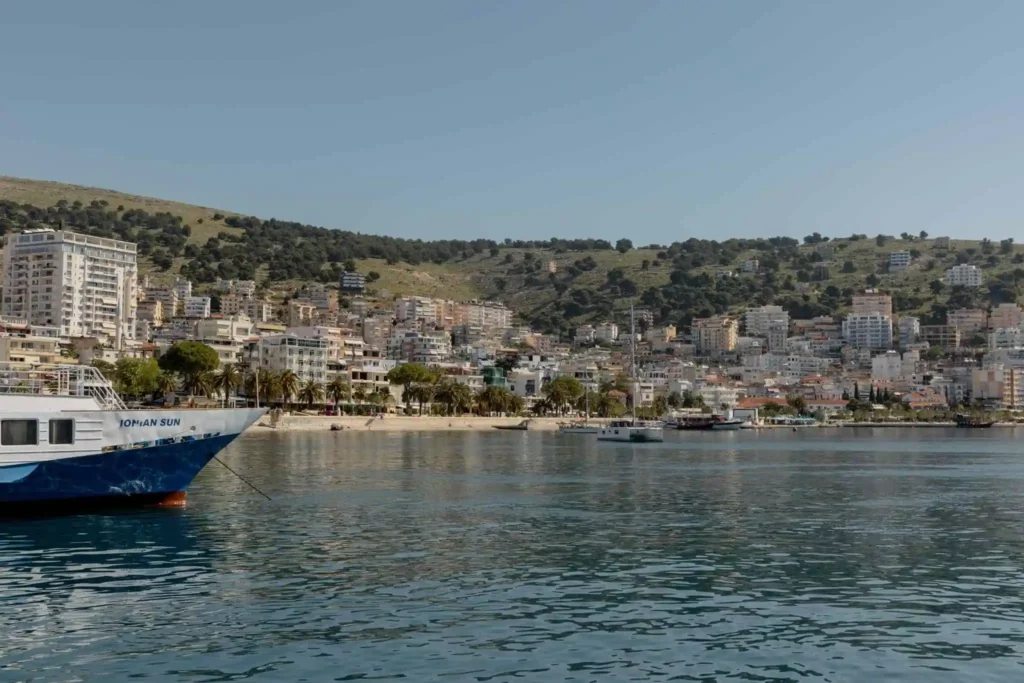
Planning an adventure between these two stunning Mediterranean destinations? You’re in for an experience that blends the charm of Greece with Albania’s emerging coastal beauty. The journey itself becomes part of the story when you’re dealing with international waters, border crossings, and the thrill of visiting two countries in such close proximity.
Let me walk you through everything I’ve learned from making this trip myself, including the practical details that guidebooks sometimes gloss over.
The Reality of Border Formalities and What Your Passport Needs
Table of Contents
ToggleHere’s something that catches many travelers off guard: Albania isn’t part of the European Union. This means you’ll need to have your passport ready and any necessary visa documents prepared beforehand. The border control process happens twice – once when leaving Greece and again when entering Albania (or vice versa if you’re heading the other direction).
During my crossing in the summer months, I noticed the lines can get surprisingly long. Arriving at the port about 1-hour before your ferry departure isn’t just a suggestion; it’s essential for getting through customs without stress. Passport control can take a while when tourist season peaks, and you don’t want to be that person sprinting toward a departing boat.
A trick I picked up from seasoned travelers: position yourself near the main door on the ferry. Being among the first ones out puts you at the front of the line for border control, which genuinely helps reduce wait time. It’s a small detail that makes a noticeable difference.
For those coming from EU and UK, you can usually enter Greece visa-free for up to 90 days, though it’s worth double-checking requirements before you start travelling. The checks at boarding in both directions are straightforward but do allow that extra time – international borders demand patience, even when they’re just 30 minutes apart by boat.
Understanding the Ferry Route and Your Transportation Options
There’s an important distinction to grasp right away: no direct ferry services connect Corfu specifically to Ksamil. Instead, Saranda serves as your arrival point in Albania, positioned about 14km south of where you ultimately want to be. But don’t let this discourage you – the entire setup is actually quite convenient once you understand the flow.
The distance between ferry ports in Corfu Town and Saranda measures only 35 kilometers across the Ionian Sea. What makes this route special is how quick the journey becomes on a fast ferry – just 30 minutes of sailing time. If you opt for the slow ferry, expect around 65 minutes, though both options provide departures leaving a few times per day depending on the season.
When I researched ferry companies, two names consistently appeared: Finikas Lines and Ionian Seaways. Both operate reliable services, and I eventually chose Ionian Seaways primarily because they offered the cheapest tickets during my travel dates. Finikas Lines costs a little more but often schedules more departures per day when high season kicks in between June and September.
The cost varies based on timing – during peak summer months, expect to pay somewhere between €25-€27 for a one-way ticket. Travel during low season (November through March), and those prices drop to a more budget-friendly €19-€23 each way. Mid-season rates from April, May, and into October fall somewhere in between.
Both ferry companies operate a high-speed ferry called the Flying Dolphin, which completes the crossing in that impressive 30-minute window. Standard ferries take longer but offer their own appeal if you prefer a more relaxed pace on the water. I found checking departure times and prices across both operators helped me select what worked best for my schedule.
The booking process couldn’t be simpler – purchase tickets online through either company’s website, and there’s no requirement to print anything out. Saving your digital ticket to your phone works perfectly fine, and you just show it upon boarding. Some travelers prefer using third-party platforms like Direct Ferries to compare options side by side, particularly helpful when planning around a tight schedule.
Navigating the Seasonal Ferry Timetables
Understanding how ferry schedules shift throughout the year proved crucial for my planning. During summer months, specifically July through September, the service ramps up considerably. You can expect 3-4 high-speed ferry departures daily, plus 3 slow ferry departures operating from both Corfu and Albania. The first ferry typically leaves around 8:30 am to 9:00 am, with the last one departing closer to 10:30 pm. This creates flexibility for whether you want an early start or prefer a later crossing.
Mid-season brings fewer options – around 2-3 high-speed ferry departures daily paired with 1-2 slow ferry departures. April, May, and October see these reduced schedules, so checking timetables becomes extra important since times change each month.
The low season represents the biggest shift. From November through March, only one departure daily runs from each direction. Finikas Lines operates their slow ferry at 9:00 am from Corfu and returns from Saranda at 10:30 am. Meanwhile, Ionian Seaways schedules their high-speed ferry for 8:50 am departing Corfu, with the return from Albania leaving at 10:15 am.
For those travelling to Sarandë from Ksamil, you’ll need to cover that 20-minute distance first. Taking a taxi, driving yourself, or hopping on a local bus all work as viable options. I’d estimate costs and distance carefully if you’re on a budget. Multiple departures per day during high season mean you might catch ferries as early as 5am from Sarandë, with return options available until around 8pm at the latest – giving you plenty of time to explore and enjoy the day on whichever side of the border you’re visiting.
Getting to Saranda’s Ferry Terminal from Ksamil
Since Saranda functions as the nearest ferry port to Ksamil, located roughly 14km south of the larger coastal city, you have several ways to bridge this gap. The taxi option provides the quickest way to reach your ferry, costing around 2,000 lek (approximately $20) each way. The ride takes about 20-30 minutes depending on traffic conditions.
When I arrived from Corfu, something fortunate happened – I connected with two other travelers heading toward Ksamil at the same time. We split the cost between four of us, bringing the price down to just 500 lek ($5) per person. If you spot other travelers waiting around looking for transport, don’t hesitate to ask if they’d be willing to split the ride. It saves money and often leads to interesting conversations.
The bus from Saranda to Ksamil offers the budget-conscious alternative. The bus stop sits just outside the ferry terminal on Rruga Jonianet (I’ve seen a helpful Google Maps pin that shows the exact location). To find it, walk outside of the terminal, turn right, and continue to the end of the street where you’ll see the bus stop.
Departures run every hour, on the hour, starting from 7:30 am. The last bus leaves at 9:30 pm, which gives you flexibility for timing your return. Bus tickets cost only 250 lek ($2.50) each way and can be purchased directly on the bus with cash. The bus ride itself takes around 30 minutes, making it a solid option if you’re not hauling heavy luggage or pressed for time.
When planning your return to Sarandë, make sure you’re back at the port with enough time for your return ferry. Missing the last boat could mean an unexpected overnight stay in Corfu – which might sound like an adventure to some but could throw off your plans. Once you return to Sarandë, it’s just that short ride back to Ksamil, potentially in time for a sunset dinner on the beach if you’ve timed things well.
Locating Corfu’s Ferry Port and Access Methods
The ferry port in Corfu sits in Corfu Town, about a 5-10 minute drive from the center of town. You can reach it by taxi, bus, or walking, depending on your preference and how much luggage you’re managing.
I opted for a taxi to and from the port since it proved the easiest option with our luggage in tow. The cost runs about €10, and the driver drops you right outside the old town if you’re arriving in Corfu, or directly at the entrance to the port if you’re departing. The convenience factor alone made this worthwhile for me.
Taking the bus represents the cheapest option for shuttling between the city center and port (and vice versa). From San Rocco, which serves as the main square in Corfu Town, you can catch what locals call the “blue bus” or officially “Line 15” straight to the port. The same bus runs in reverse from the port into town when you arrive. Bus tickets cost just €1.20 each way and can be purchased with cash directly on the bus, though many shops in town also sell them if you want to sort that out beforehand.
If you’re feeling energetic, the walk from the center of Corfu Town to the port takes approximately 30 minutes. On a nice day, this is definitely doable and lets you see more of the area on foot. Just make sure to give yourself enough time to make your ferry on time – rushing with luggage isn’t fun, and the last thing you want is watching your boat leave without you.
If you plan on driving to the port, my recommendation would be leaving your car there rather than dealing with the hassle of crossing with it. Corfu is genuinely a walkable place, and you don’t want to waste valuable time searching for parking once you arrive. Street parking exists in Sarandë, but depending on the season and time of day, finding an empty spot can prove difficult. I’ve seen maps showing various parking options near the terminal if you need to reference them.
Calculating Your Total Travel Time
While the actual ferry ride clocks in at just 30 minutes on the high-speed ferry, planning for the complete trip from Corfu to Ksamil (or Ksamil to Corfu) requires a more realistic timeframe. Budget at least 2.5-3 hours total for the entire journey.
This accounts for the time it takes getting to the port initially, the waiting time required for processing through border control in Greece, the ferry ride itself, going through border control again in Albania, and finally that taxi or bus ride to your ultimate destination in Ksamil. It’s not a complicated journey, but those individual segments add up.
The Time Zone Shift You Need to Remember
Here’s a detail that tripped me up initially: the time in Corfu runs an hour ahead of Ksamil. This means you lose an hour when traveling to Greece and gain an hour when heading to Albania.
Keep this time change firmly in mind when planning your return ferry and organizing how much time you’ll spend exploring the island. If you leave Sarandë at 9:00 AM, you’ll arrive in Corfu at 10:30 AM local time, even though the actual journey takes only 30 minutes. This can affect everything from meal planning to ensuring you catch your return boat, so factor it into your mental calculations throughout the day.
Smart Ticket Booking Strategies
Booking tickets in advance becomes increasingly important during summer, especially if you’re travelling on a tight schedule. I learned this when researching round-trip tickets, which usually cost between €35-€50 depending on the ferry type and season you’re traveling.
You can book directly on ferry company websites or through those third-party platforms I mentioned earlier. Each method has advantages – direct booking sometimes offers slight discounts, while platforms like Direct Ferries make price comparison effortless across multiple operators.
The variety of departure and arrival times means you can essentially customize your day trip experience. Want to maximize time on Corfu? Grab that early 5am departure from Sarandë. Prefer a leisurely morning before crossing? Later departures work just fine, though you’ll have less time before needing to catch that return ferry around 8pm at the latest.
Making the Most of Your Day in Corfu
Once you arrive in Corfu Town, most of the highlights sit within comfortable walking distance from the port. The Old Town deserves your attention first – it’s designated a UNESCO World Heritage Site for good reason, filled with pastel buildings, cobbled streets, and charming squares that practically beg for photos.
The Old Fortress provides another must-see attraction. Climbing to the top rewards you with panoramic views of the island that make the effort worthwhile. It’s one of those experiences where the journey up becomes as memorable as the destination itself.
Browsing the markets should definitely make your list. They’re perfect for picking up local olive oil, handmade soaps, and other artisan goods that capture Corfu’s character. I found these markets offered better quality and more authentic items than typical tourist shops.
When hunger strikes, eating like a local means trying dishes you won’t find anywhere else. Don’t miss out on a proper gyro, grilled octopus prepared the Greek way, or Corfu’s famous sofrito – a distinctive local specialty that showcases the island’s culinary traditions.
Take time to relax at a café when your feet need a break. Grabbing a freddo espresso (that’s Greek iced coffee for the uninitiated) while you soak up the Mediterranean vibes captures what makes this day trip special. It’s about the culture and food as much as checking off tourist attractions.
Fresh seafood lunch by the marina offers another highlight – watching boats come and go while enjoying the day’s catch creates memories that outlast any photograph. Whether you wander through vibrant local markets or shop for souvenirs in the colourful Venetian streets, Corfu packs a lot into a single day.
Why This Journey Between Countries Matters
It’s not every day you get to wake up in Albania and have lunch in Greece, or vice versa. Corfu sits less than an hour away by ferry, offering a totally different vibe from the laid-back beaches of Ksamil. Think about that contrast – you’re moving between incredible Greek cuisine in one location and the emerging charm of Albania’s coast in another, all within the span of a few hours.
The quick island escape is 100% worth squeezing into your Ksamil itinerary. Whether you’re chasing those iconic blue and white backdrops that define Greek island aesthetics, craving authentic Greek food, or just living the idea of crossing borders on a day trip, the experience delivers.
Visiting two countries in one trip, let alone potentially in one day, creates stories you’ll share for years. The surprisingly easy logistics mean you don’t need extensive planning or complicated arrangements – just your passport, some time, and the willingness to embrace a bit of adventure.
Transportation Beyond the Ferry: Car Rental Considerations
I ended up renting a car in both Corfu and Albania during my extended stay. If you’re planning to spend meaningful time in both places, having your own wheels provides an easy and convenient way to get around without depending on public transportation schedules.
Having a car in Corfu proved especially valuable for visiting some of the incredible beaches up on the northern side of the island – places that would have been challenging to reach otherwise. The freedom to explore at your own pace, stopping whenever something catches your eye, transforms the experience entirely.
You don’t necessarily need a car in Ksamil itself, as the town is quite compact. However, if you plan to explore more of the Albanian Riviera, it’s definitely worth renting one. I arranged my rental car through Discover Cars, which has become my go-to rental agency for Europe. They consistently help find the best rates no matter where you’re traveling, and the booking process is straightforward.
Essential Items and Final Preparations
Bring your passport – this seems obvious but bears repeating since you’re crossing an international border. Double-check visa requirements if you’re not from the EU or UK, as regulations can shift and you want to avoid any surprises at border control.
Bringing euros for spending in Corfu makes sense, though many places accept cards nowadays. Still, cash remains handy for smaller purchases, tips, or those vendors who prefer traditional payment methods.
Don’t forget sunscreen, especially since you’ll probably be walking around a lot. The Mediterranean sun is stronger than many visitors expect, and there’s nothing worse than nursing a sunburn while trying to enjoy your trip.
Check ferry schedules in advance and allow time for customs processing. Even though the border crossings are generally efficient, giving yourself buffer time prevents stress and ensures you don’t miss connections.
If you’re thinking of making the trip or have already ticked it off your list, I’d genuinely love to hear about your experience. Every traveler picks up different details, notices different aspects of the journey, and has unique stories worth sharing.
Exploring Beyond Ksamil in Southern Albania
The region surrounding Ksamil offers numerous worthwhile detours if you have extra days. Gjirokaster stands out as a historic city that deserves a visit – its distinctive architecture and cultural significance make it one of Albania’s treasures. Planning your day in this town rewards you with cobblestone streets, Ottoman-era houses, and a genuine sense of stepping back in time.
The Blue Eye near Saranda ranks as a must-see natural wonder in Southern Albania. This spring creates an optical illusion where the water appears impossibly deep and blue, surrounded by crystal-clear shallow areas. It’s become increasingly popular, so visiting earlier in the day helps you avoid crowds.
Northern Albania’s Hidden Gems Worth Exploring
If your Albania adventure extends northward, several destinations deserve attention. Berat claims the title of one of my favorite cities in Albania, with its white Ottoman houses climbing hillsides and earning it the nickname “City of a Thousand Windows.” The blend of history, architecture, and mountain backdrop creates an unforgettable setting.
Kruja represents one of the best places to shop for local Albanian goods, particularly at the old bazaar. Unlike tourist-trap markets, Kruja’s bazaar maintains authenticity while offering everything from traditional crafts to local specialties.
Durres combines ancient Roman monuments with beautiful beaches along the Adriatic coast. The mix of historical sites and beach relaxation makes it versatile for different travel styles.
For mountain enthusiasts, Theth in the Albanian Alps presents a completely different landscape. Driving the Road to Theth itself becomes an adventure – dramatic mountain passes, remote villages, and stunning vistas at every turn. The village offers hiking, the famous Blue Eye in Theth (different from the southern one), and an escape into pristine nature.
Practical Planning Resources for Albania
Getting proper travel insurance before trips provides genuine peace of mind, and Albania is no exception. I always arrange coverage in advance, and resources like Travel Insurance Master help you find the best plan matching your specific needs and travel style.
Renting a car in Albania proved completely safe during my month-long journey there, and it’s genuinely the best way to see the country beyond major cities. Discover Cars remains my trusted rental agency, consistently delivering reliable vehicles and fair pricing across Europe.
If your phone plan doesn’t offer free coverage in Albania, securing an eSIM makes staying connected simple. I used Airalo during my trip and experienced fantastic coverage the entire time. The service handled everything from basic communication to providing enough data for remote work when needed.
Booking accommodations through platforms like Booking.com worked smoothly throughout Albania. Hotels were responsive through the messaging tool, and the selection spans endless options fitting various budgets. One important note: some hotels in Albania require payment in cash, so messaging the hotel in advance ensures you’re prepared with the correct form of payment upon arrival.
Regarding drinking water in Albania – hotels advised me not to drink tap water, so I ended up buying bottled water instead. It’s a minor expense but worth knowing ahead of time so you’re not caught off guard.
Resources for Planning Your Ksamil Adventure
If you’re feeling overwhelmed by the endless research involved in trip planning, dedicated travel guides can eliminate that stress. A comprehensive 33-page Ksamil Travel Guide consolidates everything into one place – covering how to get there, where to stay, and what to do without forcing you to piece together information from dozens of websites.
Bonus features like a Google Maps list with 60+ pinned locations transform how you explore. Having beaches, hidden gems, restaurants, and more already mapped out means you’re not wasting time searching once you arrive. These expert tips and pre-organized locations let you plan your dream trip the easy way, focusing energy on excitement rather than logistics.
FAQ: How long is the ferry from Corfu to Ksamil?
Understanding the route clarifies this common question: there’s no direct ferry connecting Corfu specifically to Ksamil. The ferry runs from Corfu to Saranda instead, taking 30 to 70 minutes depending on which ferry you book. Saranda serves as the closest port town to Ksamil, positioned just 14km north, making it the logical connection point for travelers moving between these destinations.
FAQ: Is there a boat from Ksamil to Corfu?
No, there isn’t a direct boat operating from Ksamil to Corfu. To get from Ksamil to Corfu, you must take the ferry from Saranda, which sits 14km north of Ksamil. This two-stage journey (getting to Saranda, then taking the ferry) represents the standard route all travelers use, and once you understand the system, it flows quite smoothly.
FAQ: How to get to Ksamil from Corfu airport?
Getting to Ksamil from Corfu airport involves taking a ferry from the port in Corfu Town to Saranda, Albania. Ferry costs range between €19-€27 one-way, with pricing depending on the season you’re traveling. From Saranda, taking a taxi or the public bus to Ksamil completes your journey, requiring approximately 20-30 minutes for that final leg.