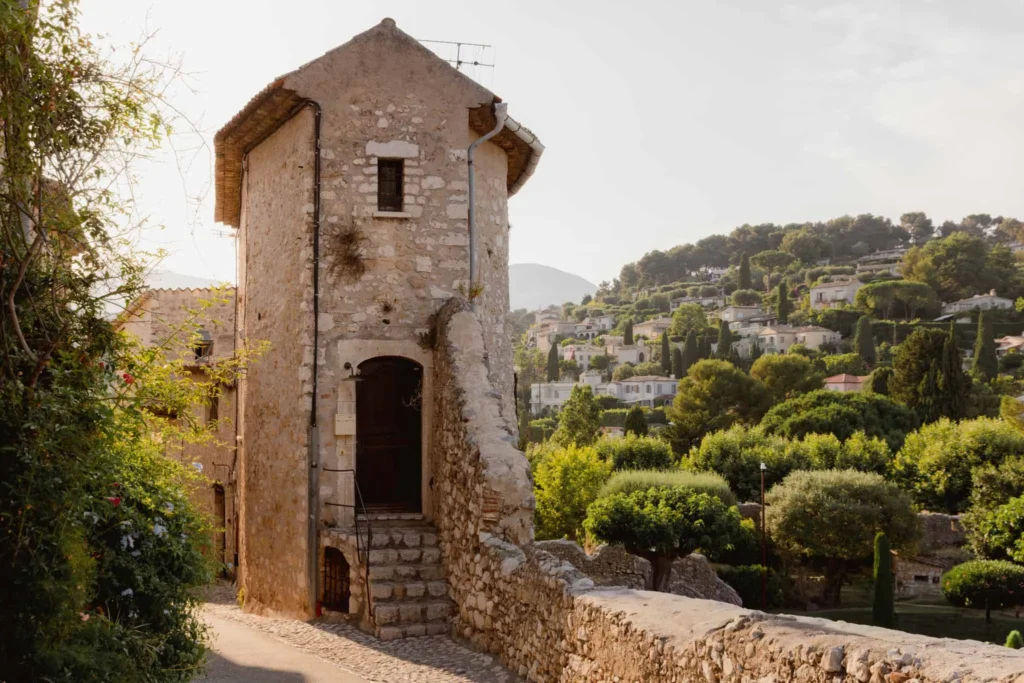
Perched dramatically on a hilltop high above the Provence-Alpes-Côte d’Azur countryside, this medieval village has captured my heart in ways few destinations ever have. During my summer wandering through the charming cobblestone streets, I discovered why Saint-Paul-de-Vence remains one of the most beautiful villages France has to offer. The spectacular vistas across the Provencal landscape coupled with its historic charm create an atmosphere that perfectly encapsulates everything romantic about this region.
What strikes you first isn’t just the quaint village aesthetic—it’s the rich artistic heritage that permeates every corner. This idyllic village pays homage to its former residents, including Marc Chagall, Pablo Picasso, and Henri Matisse, transforming the entire hillside into what feels like an open-air museum. Modern artists like Cézanne also spent significant time here, drawn by the natural beauty and tranquility that draws you in even today.
The 40-minute drive from Nice makes this an easy day trip on the French Riviera, though I spent a couple of nights and absolutely recommend doing the same. My only regret was not booking more time—I had initially planned two nights but ended up basing ourselves in Villefranche-sur-Mer. Having those early mornings and evenings to yourself, when day trippers have departed, makes your time here extra special. The energy in the air becomes unforgettable as you explore parts of this incredible art-filled haven at your own leisurely pace.
Blending history, art, and natural beauty in perfect harmony, this artsy village in the hills offers visitors a cultural richness that’s simply unbeatable. Worth visiting as one of the oldest medieval towns in the South of France, it’s an absolute must for anyone exploring the French Riviera. Just 40 minutes by car from Cannes and Antibes as well, the views over the French countryside alone justify the journey.
Fondation Maeght: Where Contemporary Art Meets Mediterranean Landscape
Table of Contents
ToggleAmong the rare museums where I genuinely liked everything I encountered, Fondation Maeght stands as the perfect home for renowned modern art in this region. Located just on the outskirts of town, the building itself is as much a work of art as the pieces it houses—designed by Spanish architect Josep Lluís Sert with brilliant consideration for how works harmonize with nature.
The museum grounds are filled with sculptures by artists including Joan Miró and Alberto Giacometti, creating an incredible mix of 20th-century paintings and sculptures that invite extended contemplation. Inside, you’ll discover works by Calder, Chagall, and Kandinsky among the permanent collection, alongside pieces from Georges Braque, Fernand Léger, and Alexander Calder. My favorites were the numerous pieces by Miro, though Pablo Picasso’s contributions and Marc Chagall’s works also demand attention.
Plan to spend at least two to three hours here—this is a must-visit in Saint-Paul de Vence. The café with outdoor seating in the sculpture garden provides the ideal spot to pause and reflect. Art displayed both indoors and outdoors creates a seamless experience, with rotating exhibitions ensuring there’s always something new to check out. You can buy tickets online or in person; I got mine the day of with no issues, though the rich history of artist residents makes this destination perpetually popular.
Discovering Village Life Through Ancient Pathways
The old stone walls that wrap around the village offer the best views imaginable—walk the full loop to see all the way down to Antibes, the Baou de Saint-Jeannet, and rolling hills scattered with Riviera villas. These ramparts date back to the village’s medieval era and offer a unique view of the old town across the beautiful French countryside. It takes around 30 minutes to walk the whole way around, and I recommend starting at Pont de Vue near Port de Nice for optimal perspective.
This became one of my favorite things to do in Saint-Paul-de-Vence. Go during golden hour in summer when most people are at dinner, and you’ll likely have the ramparts to yourself. The city walls provide not just historical context but intimate connection to how life unfolded here centuries ago.
Walking is the best way to see everything Saint-Paul-de-Vence has to offer. Most of the town has been pedestrianized, and there are no cars permitted in the town center, making it easy to get around on foot. Lots of cobblestone streets exist though, and it’s a bit hilly, so comfortable walking shoes are recommended for exploring this artist’s village at heart.
Just a few winding passages make up the village core, where most of the shops function as galleries showcasing local and international artists. A few places to look out for deserve special mention: La Place de la Grande Fontaine serves as a romantic little square with a fountain that was once the center of village life, where locals came to wash clothes and collect water. Dating back to the 17th century, the Fontaine de Saint-Paul-de-Vence retains the village’s medieval charm. Located on Place de la Grande Fontaine along Rue Grande, it was once the primary water source for the townsfolk and often a meeting point to exchange news among its residents. The design features traditional Provençal style made of local stone with a simple yet elegant round basin.
The Maison de Jacques Prévert, former home of the beloved French poet and screenwriter, became an expression of his creativity as he spent his later years here. This charming stone house covered in jasmine is perched in the center of town—a typical Provencal home with stone walls and terracotta roof tiles, complemented by stunning views. While it’s now a private property, you can choose to spend the night here for your own artistic getaway through La Miette.
Place de Gaulle sits right at the village entrance where you’ll likely see locals playing boules or enjoying lunch at Café de la Place, a spot once frequented by artists and celebrities. La Placette, a smaller, quieter village square, has a cozy, more intimate feeling than larger squares. This common meeting place for locals is perfect for spending some time to people-watch and enjoy the tranquility of everyday life in Saint-Paul-de-Vence.
Sacred Spaces and Artistic Legacies
Built at the highest point of the castrum in the heart of Saint-Paul-de-Vence, the Collegiale de la Conversion—a Catholic church built between the 14th century and the 17th century—remains an important landmark. The village’s main church, also known as The Collegiate Church, was built between the 14th and 18th centuries, housing relics brought from the catacombs in Rome and playing a central role in village life for centuries. It still houses several religious artworks to this day.
The Chapelle Folon represents more contemporary devotion—a painted chapel by artist Jean-Michel Folon, an important figure in Saint-Paul-de Vence’s art scene. Meanwhile, at the far end of the village, you can visit the Saint-Paul-de-Vence cemetery to see the resting place of artist Marc Chagall. Visit the grave of Marc Chagall where he was buried in the local cemetery in 1985. Choosing to spend the final years of his life in the village, visiting his burial spot has become a pilgrimage for art lovers from across the world.
La Chapelle Matisse: A Masterpiece Beyond Compare
Located in Vence, just a 15-minute drive from Saint-Paul-de-Vence, La Chapelle Matisse was the highlight of my visit to this region. Built between 1949 and 1951, Matisse designed every element of the chapel and called it his masterpiece—high praise from an artist of his stature.
Inside, you’ll find bold stained glass windows in vibrant green, yellow, and blue, done in the style of his cut-outs. The walls are covered in simple black line drawings on white tiles, while upstairs you’ll see the colorful and abstract robes he designed for the priests. The chapel has limited opening hours, so make sure to check the schedule ahead of time. Parking can be tricky, so plan to arrive a little early to secure your spot.
La Colombe d’Or: Dining Among Masterpieces
Open since 1920, La Colombe d’Or stands as a legendary restaurant and hotel that’s been frequented by some of the 20th century’s most famous artists—Picasso, Miro, Braque, and Matisse to name a few. This must-visit destination features a boutique hotel with an artistic legacy; the charming 25-room hideaway has hosted Matisse, Miró, and Chagall over its storied existence.
Dining here feels like eating in a museum. You might be seated right next to an original Picasso, while the pool area features a giant mobile by Alexander Calder. Dine out on the leafy terrace or inside the traditional dining room where work by Matisse and Picasso is on display. Serving French classics including steak and dauphinoise potatoes, and gateau au chocolat, it’s worth making a reservation to dine amongst masterpieces at this truly special place.
I didn’t plan ahead far enough to stay or eat here during my visit—next time, for sure. Make sure to reserve several months in advance, as this legendary restaurant books up quickly. Simple yet chic, rooms are understated but comfortable with wooden four-poster beds and well-placed art throughout.
Where to Rest Your Head
Les Orangers is where we stayed—run by a lovely woman who has created the most beautiful garden space imaginable. Our only critique involves rooms that smell a bit musty; otherwise, the grounds, pool, company, and breakfast are all wonderful. It’s perfect for those seeking authentic local charm.
My parents stayed at Le Hameau and really enjoyed it. The pool area and views are amazing, the staff is very friendly, and it’s a quick walk into town. For those with France hotel bucket list aspirations, La Colombe d’Or requires you to email or call to reserve a room—but it’s absolutely worth the effort.
Hotel Le Saint Paul represents a stunning, 5-star hotel in the heart of Saint-Paul-de-Vence. This five-star stay occupies a 16th-century country house with timeless appeal that blends modern comforts with traditional features. Rooms are spacious and elegantly designed, and the hotel boasts incredible views across the French countryside.
The Luxury Townhouse, with several luxury suites and a three-bedroom house, offers high-end property that’s beautifully designed. In the center of the village, it has a homely feel with plenty of sophisticated touches. La Miette allows you to stay in the famous home of writer and poet Jacques Prévert—reserve well in advance as it books up fast. This traditional historic home at the fork of a cobbled street is postcard-perfect, great for families or small groups, with a fully equipped kitchen and leafy front terrace making it the perfect place to unwind.
Hotel L’Abbaye, located in nearby La Colle-sur-Loup, is an idyllic property steeped in 900 years of history. This former abbey founded by monks has been renovated to transform it into a cozy bolthole in the South of France, featuring a swimming pool and onsite parking.
I loved Saint-Paul-de-Vence so much that I regret not spending a night or two directly in the village. Having booked us two nights initially but ending up basing ourselves in Villefranche-sur-Mer, I missed those magical early morning hours. It’s popular with day trippers, so having the early mornings and evenings to yourself would make your time here extra special. Consider basing yourself in Villefranche-sur-Mer as another great option—an ideal and charming home base for exploring the South of France. It offers the perfect balance of a peaceful coastal village without the hustle and bustle of Nice. Top accommodation options there include the Welcome Hotel, Hôtel le Provencal French Riviera, and Hotel De La Darse.
Culinary Experiences Worth Savoring
Les Remparts became a meal I still dream about. This restaurant is set on the ramparts, overlooking the gorgeous countryside with dishes that were fresh and seasonal—the perfect spot for a sunset dinner. For an upscale dining experience, Les Remparts serves delicious Provencal dishes focusing on fresh, seasonal produce. Signature dishes include bouillabaisse (a traditional Provençal fish stew), lamb with thyme, and ratatouille, with a curated wine list that pairs perfectly with the menu. With stunning views across the French countryside and even to the Mediterranean, it’s an especially romantic spot at sunset.
We had a memorable dinner at Le Tilleul during the Fête de la Musique, the annual music festival held every June across France. The menu features Provençal classics, and everything we had was delicious. Try to get a table outside during the summer for the full experience.
Cote Terrasse at Hotel Le Saint Paul offers dining to the chorus of cicadas on the terrace—my idea of a perfect summer’s day and ideal for a late afternoon lunch in Saint-Paul. The menu features plenty of Provencal classics with a modern twist. With a focus on fresh, Mediterranean ingredients, it’s a great place to slow down for a long afternoon lunch on the shaded terrace.
Café de la Place sits at the village’s main square on Place du Jeu de Boules, ideal for people-watching while you enjoy your morning coffee and croissant. Locals are often seen playing pétanque, a traditional Provençal game, nearby, and its laid-back atmosphere gives it a comforting appeal. It’s also a great place to stop for a glass of wine and a cheese or charcuterie board in the afternoon.
La Table de Pierre at Le Domaine du Mas de Pierre is located in the luxurious property of the same name and offers a gourmet dining experience. The menu showcases the best of Provençal and Mediterranean flavors with a focus on fresh, seasonal ingredients. Dining al fresco on the terrace is particularly dreamy at sunset with views looking out across the Med. I recommend booking if you plan to dine here as it can be hard to get a table during peak seasons.
Cafe Timothe serves as a cozy spot to grab a coffee and pastry—a casual spot popular with locals and visitors alike. With a rustic, homely atmosphere and dishes like croque monsieur, steak frites, and quiche, it’s also perfect for a traditional French lunch. Right in the heart of the village, it’s a great spot to stop by while exploring.
Planning Your Arrival
The easiest way to get to Saint-Paul-de-Vence is by car. We rented a car for our French Riviera road trip and found it to be the most convenient way to explore the area. The most convenient way to reach this destination involves following the motorway from Nice or Marseille and taking the exit for Cagnes sur Mer. The town is approximately 15 minutes from the motorway.
As a rental car tip, I use Discover Cars for our rental cars in Europe, choose full coverage insurance, and opt for trusted companies like Alamo, Hertz, or Sixt. You can’t drive into the town center, so park at one of the parking lots located at Route des Serres, Montée des Trious, Route de Vence, or Chemin des Gardettes. During peak season, parking can fill up quickly, so I recommend arriving early to secure your spot.
There’s paid parking available along the street and in a few designated lots just outside the village. We parked at an underground lot on one occasion and along the street another time without significant difficulty.
If you’re relying on public transport, note that Saint-Paul-de-Vence doesn’t have a train station. By train and bus, the easiest way involves a combination: take a 15-minute train from Nice-Ville station to Cagnes sur Mer, then change to bus line 400 from Cagnes sur Mer station to Saint-Paul-de-Vence. You can take a train to Cagnes-sur-Mer, then hop on bus #655 which takes you directly to the village. The bus ride takes approximately 20-30 minutes. If you’re coming from Antibes, Cannes, or Saint Tropez, the train also runs east towards Cagnes sur Mer and follows the same change to the bus. Be sure to check the latest bus timetable before you go.
If you drive to Saint-Paul-de-Vence, be sure to admire the views from Routes des Serres. Connecting Saint-Paul-de-Vence to the surrounding towns and villages, such as La Colle-sur-Loup and Vence, the road is lined by olive groves and Mediterranean vegetation. Looking out across the hills and valleys of the area, it’s one of the most scenic spots in the region.
Timing Your Visit Perfectly
For the nicest weather, plan your visit between May and the end of September. If you prefer mild weather without as many crowds, consider March, April, or late September through October. The South of France is known for having great weather year-round, but I’d recommend visiting Saint-Paul-de-Vence in spring or autumn for the best experience. The temperatures are pleasant, and the crowds haven’t peaked the way they do in summer.
We went at the end of June, just as peak season was starting, and the energy in the air was unforgettable. It’s a great time to visit, though booking restaurants and hotels ahead of time is essential. In spring, the blooms will be in full swing, and autumn, usually around October, is harvest time at the vineyards, so it’s a perfect time to visit nearby Provence, too.
How Long Should You Stay?
I’d recommend staying at least two nights. That gives you a full day to explore the village at a leisurely pace, and another day to head out to nearby Antibes, or just spend a slow day in the countryside. The village is small enough to cover in a day, making it a great day trip option from Nice or other nearby destinations. However, to truly enjoy the slower pace and take in all the superb modern and contemporary art galleries and museums, I recommend two days.
If you’re visiting on a day trip, plan for a minimum of 5 hours and try to arrive in the morning. It tends to get busy around mid-day, so timing matters significantly. Having explored several day trips from the Nice area—from the hilltop village of Eze to Menton and other parts of this incredible region—I’d say that St Paul de Vence ranks among my favorites for its combination of incredible art, beautiful streets to stroll, and lots to discover at every turn.