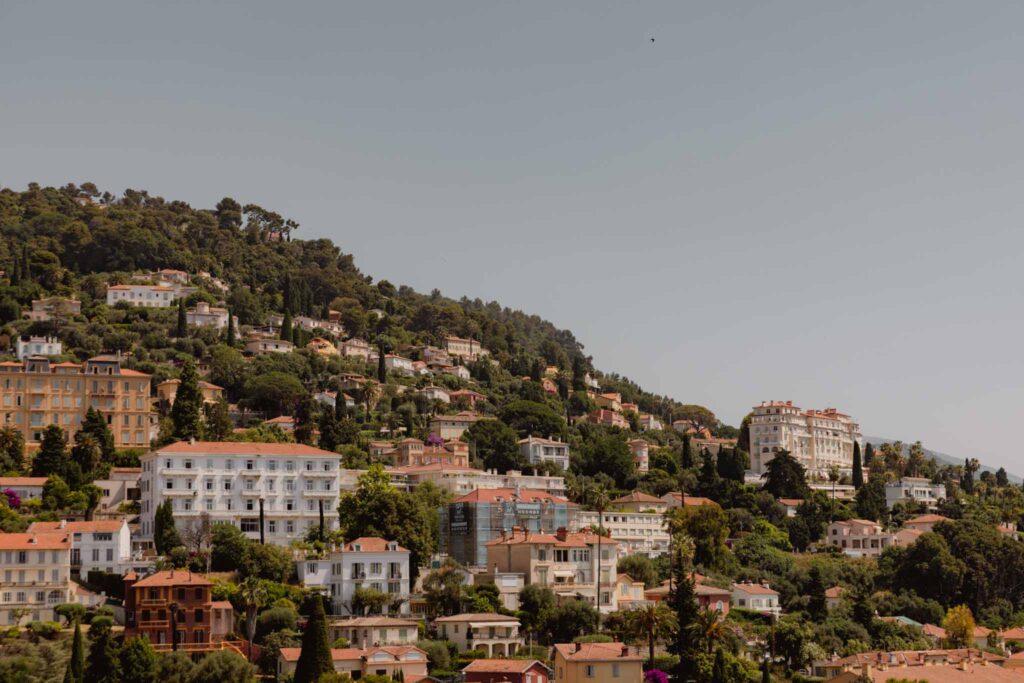
Standing at the crossroads where leather-working tradition met botanical innovation, this corner of the Côte d’Azur transformed itself into something extraordinary. The 18th century marked a pivotal shift when tanneries dominated the landscape, their pungent odour permeating every cobblestone alley. Jean de Galimard, serving noble clients who demanded excellence, conceived a brilliant solution—masking leather goods with locally cultivated flowers. That single creative spark ignited an industry employing thousands across various parfumeries today.
The evolution from utilitarian leather production to sophisticated fragrance creation wasn’t merely commercial—it represented artistry meeting chemistry in unprecedented ways. Understanding how a single litre of rose essence commands astronomical costs reveals the labour-intensive botanical sourcing through global supply chains. Modern evolving techniques still honour traditional distillation methods, though technology has refined the process considerably.
Learn All About Perfume / Visit Perfumeries / Tour Perfume Factories
Table of Contents
ToggleThree legendary establishments anchor this sensory journey—Fragonard, Molinard, and Galimard—each offering complimentary guided group tours lasting 30 minutes to an hour. The olfactory treat begins the moment you step through their doors, whether you’re joining a large group or arriving independently to catch the next scheduled session.
Fragonard’s glorious yellow walled factory stands conveniently at the entrance to the historic part of town, centrally located for easy access. Founded in 1926 by Eugène Fuchs following World War I, the operation bears the painter Jean-Honoré Fragonard’s name, though he had no direct involvement. Their exclusive boutiques exist only within France—Paris and other locations—making this your sole opportunity outside major cities. The meticulous process unfolds across several floors, from distillation through bottling, revealing how professional perfumers work with the perfumer’s organ containing up to 3,000 scents for creating complex blends.
Free daily guided tours require no reservation, and I witnessed firsthand how even complete novices grasp sophisticated terminology—distinguishing eau de parfum from eau de toilette becomes second nature after expert explanation. Their website maintains current tour hours, and those with vehicles can venture to the flower factory outside the city center for deeper immersion.
Molinard occupies a building designed by Gustave Eiffel himself—yes, the tower architect—situated a short walk from the old town. This beautiful bastide now functions as both museum and boutique, though production once filled these spaces. Self-guided tours through their well-stocked shop let visitors explore at leisure, testing countless scents before selecting favorites. The Jasmin and Mediterranean fragrances proved irresistible during my visit, alongside several eaux de toilette and home fragrances that captured the region’s essence. Their history and production methods merit examination, though fatigue from earlier museums might tempt you straight to the boutique—completely understandable given the sensory overload. Check their website for current opening hours before planning your visit.
Galimard represents one of Europe’s oldest perfumeries, established in 1747 to supply Louis XV’s court with exclusive fragrances. Their factory tour sits outside central Grasse, requiring a vehicle for access, but the hour-long experience encompasses their complete production process plus museum and boutique visits. No reservation needed—just arrive and immerse yourself in centuries of fragrance-making tradition. Consult their website for opening hours and tour details to coordinate timing.
The International Perfume Museum on 2 Boulevard du Jeu de Ballon charts scent’s role across ages and civilisations, emphasizing France’s pivotal contributions to the industry. Entry costs €6 per person, with various concession tickets available for qualifying visitors. Their botanical gardens outside town provide additional exploration opportunities for plant enthusiasts tracking fragrance sources from soil to bottle.
Make Your Own Perfume / Create Your Own Perfume
Among unique experiences throughout European travels, crafting personal fragrances under a professional perfumer’s guidance—a “nez”—ranks extraordinarily high. The creative process transforms abstract preferences into tangible scent profiles you’ll wear with pride. Though technically producing eau de toilette rather than perfume, the distinction matters little when you’re blending your signature creation.
Booking well in advance proves essential, particularly during peak summer season from May through September, as slots at the three perfumeries accommodate just 16 people per class. The savoir-faire these designers bring—crafting perfumes for individuals and brands professionally—elevates the workshop beyond mere tourism into genuine artistry.
Fragonard Perfume Workshop consumed 90 minutes of concentrated blending followed by a 30-minute guided tour, costing £66 per person for a 100 ml bottle of your custom scent. Children under 12 cannot participate, maintaining the sophisticated atmosphere necessary for concentration. This experience books through Viator as well, providing flexible reservation options.
Molinard Design Your Own Fragrance condenses the process into one hour at £62 per person, yielding a 50 ml bottle plus a 10% discount on any gift shop purchases—perfect for complementing your creation with professionally crafted companions. Their Private Perfume Creation Class offers intimate, personalised experiences including champagne, producing a 75 ml bottle in elegant surroundings that feel genuinely special.
Le Petit Parfumeur caters specifically to little perfumeurs aged 3-10 years old, since other classes exclude children under 12. These 30 minute sessions produce 10 ml bottles, introducing young noses to scent families and blending basics in age-appropriate formats.
Budget-conscious visitors or those short on time find relief in abbreviated workshops costing under €30 per person at both Fragonard and Molinard. These include guided visits plus 20-30 minutes creating either 12 ml or 30 ml fragrances—sufficient for sampling the hands-on experience without the extended commitment or financial investment.
Expert perfumers lead these 45 minutes to 2 hours sessions, walking participants through the complete perfume-making process. You’ll smell and select favorite notes, learning how scent families interact before blending your custom fragrance to take home. The world of fragrance opens dramatically once you understand how individual elements combine, creating harmonious or discordant results depending on proportions and pairings.
Honestly, my bespoke scent couldn’t compare to the expertly crafted bottles I purchased later from Fragonard’s gift shop—but the fun and educational value far exceeded any product quality concerns. Everyone takes home a good-sized bottle of their creation, regardless of professional standards, and that personalized scent carries memories no purchased perfume could match.
Explore Grasse Old Town / Get Lost in the Old Town
Ochre-hued buildings create a maze of narrow streets where perfume shops naturally proliferate, though Fragonard’s boutiques surprisingly stock homeware and clothing alongside their signature fragrances. Chocolaterie Maison Duplanteur provided irresistible samples that convinced me to grab several bars for later enjoyment. The real revelation came at Venturini Fougassettes, where I tried fougassette à la fleur d’oranger—this local sweet bread deserves its reputation, and I highly recommend seeking it out despite your saturation with floral scents.
When essence of jasmine, may roses, and lavender becomes overwhelming, these picture postcard streets offer respite through their shabby-in-parts charm. Unlike pristine southern French villages, Grasse’s old town wears its age comfortably, the imperfections adding character rather than detracting from appeal. Quintessentially French architecture, signage, and little boutiques scattered throughout provide endless photographic nooks and elements for those appreciating authentic European town aesthetics.
Rue Jean Ossola forms the main artery from which alleys and stairways lead off unpredictably. My best advice echoes what seasoned travelers know—simply get lost and see where you end up. The sloping walk from Place Aux Aires down Rue Amiral de Grasse shouldn’t be missed, offering quintessential old town perspectives while passing quirky artisan shops, antique dealers, and clothes stores that tempt with retail therapy opportunities.
Pairing these historic centre strolls with leisurely lunch makes perfect sense—you’re in France, after all. Café des Musées served the best vegetarian food I encountered during my entire short break through the region, offering excellent value on a small lunch menu that exceeded expectations. Further into the old town, Les Délicatesses de Grasse at 7 Rue Marcel Journet provides wonderfully French ambience through local cheese, meat and wine platters perfect for lingering afternoons. Budget travelers should note Le Croissant Rose at 24 Rue Jean Ossola for something more basic but filling that won’t strain finances.
Those wanting to dine out in style can consider the Michelin-starred La Bastide St-Antoine, which doubles as a luxury hotel for extended stays.
The International Perfume Museum traces fragrance history from its beginnings through modern techniques, while the 13th-century Notre-Dame du Puy serves as the main cathedral worth visiting. A scenic lookout—the Valley Viewpoint—rewards climbers with fantastic views across the floral-scented valley surrounding Grasse, the agricultural source of all this olfactory abundance.
Visit One (or All) of Fragonard’s Museums
Fragonard owns three museums throughout Grasse, all free to visit without requiring reservation. Their small size means you definitely have time to see all three in a single day without feeling rushed.
The Perfume Museum, located inside the Historic Factory, features a fascinating collection of rare and historic perfumery objects that illuminate the craft’s evolution. Fashion lovers gravitate toward the Museum of Provençal Costumes and Jewellery, which showcases 18th and 19th-century Provençal clothing and jewelry reflecting regional style traditions. The Jean-Honoré Fragonard Museum, dedicated to the artist whose name the company borrowed, houses a great collection of his works—the largest assembly outside the Louvre in Paris.
See Notre Dame De Puy
This 12th century cathedral represents an essential stop, set in a historic part of town that feels like a movie set brought to life. Though the exterior looks little mundane from certain angles, it belies the opulent interior housing three paintings by the great Baroque artist Rubens—hailing from Belgium’s favourite city—plus one by Fragonard himself.
Afterwards, stroll to the little patch of grass with deckchairs at Traverse St Martin to relax in shade. A great little coffee truck operated there during my visit, perfect for recharging before enjoying the view over rooftops of old and new Grasse from the viewpoint opposite. You can find the spot precisely through Google Maps coordinates, ensuring you don’t miss this photogenic perspective.
Consider purchasing the Côte d’Azur France Pass if you’re touring around the region—it includes access to many of the area’s most popular activities through a single ticket, saving up to 30% off individual attraction ticket costs. Find out full details before committing to multiple separate purchases.
The Paintings of Jean-Honoré Fragonard
The namesake for the famous perfumerie was born in Grasse in 1732, later returning to town while Paris writhed through the French Revolution’s throes. Many understandably assume he had something to do with the perfume factory and company, but they’d be mistaken. Founder Eugène Fuchs simply named his enterprise to recognise the artist’s connection to town—possibly looking to get some free publicity from the association as well.
Twelve of Fragonard’s works—the largest collection of his art outside the Louvre in Paris—can be seen at the Jean-Honoré Fragonard Villa-Museum, housed in a beautiful 17th century house just a few minutes from the Fragonard Perfume Factory. You can find the museum through Google Maps, open every day between 1 pm and 6.45 pm. Entrance is now free and includes a guided tour, making it accessible regardless of budget constraints.
Absolutely Don’t Miss
Andrew’s favourite books include “Perfume: The Story of a Murderer” by Patrick Suskind, actually partly set in Grasse. This very dark tale weaves the atmosphere of 18th century France where, unsurprisingly, scent and perfume play key roles in murder. If you’re looking for a great read before or during your visit to Grasse, this is it—the prose creates visceral connections to the town’s essence.
The 2006 film adaptation proved pretty good, with scenes shot in Grasse itself, but I’d recommend starting with the book. Buy a copy before arriving to build anticipation for the locations you’ll soon experience firsthand.
Tours to Grasse
The most popular location in southern France from which to join a tour to Grasse is Nice. One tour proves particularly highly rated, including Gourdon, Cite des Violettes and the medieval village of Saint Paul de Vence—the pearl of Provence—alongside lots of time in Grasse itself. These organized excursions remove transportation logistics while providing context from knowledgeable guides.
How Much Time Do You Need in Grasse / Is One Day Enough
Honestly, a morning and afternoon in Grasse will be perfect for the majority of visitors. It really depends on what you want to see and do, but half a day—approximately 4 hours—felt plenty for covering highlights without museum fatigue setting in. Those wanting to tour multiple perfume factories, visit museums, enjoy a restaurant lunch, and explore the Old Town could easily fill a full day. I’d recommend planning anywhere between 4 to 7 hours depending on your passion for perfume.
I arrived at 10 am, enjoyed a leisurely lunch, took several strolls around the old town, popped into museums, procrastinated in the gift shop, and joined my perfume workshop—that felt sufficient without overstaying. If you have a real passion for perfume, base yourself there for a night or two so you can sample all the parfumeries and perhaps visit more of the surrounding countryside at a relaxed pace.
Main advice: arrive earlier in the morning—before 10.30 am ideally—or stay around until after 3 pm. French Riviera tour groups and buses stop off for a few hours in Grasse, making things become quite busy between 11 am and 2 pm. When the streets cleared out by around 4 pm, I felt like I was experiencing a completely different place—quieter, more intimate, authentically local.
If you hadn’t realised this by now: visitors not at all curious about the history and art of perfume creation are unlikely to have much reason to venture to Grasse. This destination serves a specific interest, and wandering here without that curiosity might leave you wondering what the fuss was about.
Where to Stay in Grasse
Grasse functions primarily as a popular day trip destination—exactly what I did, driving from Nice to Grasse before continuing to Saint-Paul-de-Vence for the night. However, if you’re planning to stay overnight, several hotel options merit recommendation based on different preferences and budgets.
Few options sit within the historic centre—the best hotels in Grasse require your own vehicle or taxi from the train station to reach comfortably. In summer months, accommodation faces high demand, making booking well in advance essential. The Grasse Jasmine Festival occurs the first weekend in August, when availability becomes particularly limited across all price ranges.
For boutique charm, Auberge du Vieux Château delivers character. B&B enthusiasts appreciate Skylark Bed & Breakfast’s intimate atmosphere. Les Petites Terrasses offers charming accommodations, while luxury seekers gravitate toward Bastide Saint Antoine—a Relais & Châteaux property that defines elegance.
La Bellaudiere provides a romantic, traditional French experience—a great option for couples seeking authenticity. Breakfast with a view on the sun-soaked balcony, combined with wonderful little touches throughout this 16th century house, reflects Grasse’s history beautifully. Best Western PLUS Elixir sits just under 2 miles from the old town, offering a comfortable modern hotel with pool and excellent facilities for those prioritizing contemporary amenities.
Moulin Sainte Anne ranks among the most popular choices—this wonderfully restored B&B occupies an old olive mill. Large rooms feature garden views, and the guest pool makes it a perfect choice for lazy mornings or relaxing after a day’s exploring the parfumeries and museums.
Les Palmiers represents the ideal option for clean, comfortable, but more basic rooms right in the historic centre—perfect for a night or two without breaking budgets. Breakfast included and a free-of-charge communal kitchen available to guests, alongside excellent views over the historic centre, make it a sensible choice for those who prefer to cook their own meals and don’t have a car for reaching outlying properties.
Airbnbs provide alternative accommodations worth exploring. The Warm, Light & Bright Apartment is a gorgeous, modern, light-filled space earning nothing but 5-star reviews. Located just outside the historic centre within easy walking distance of all sights, previous guests speak highly of the host’s attentiveness.
A Charming Studio offers compact, modern accommodations with an abundance of excellent reviews over time. Excellently located, it has everything you need for a short stay without excess space you won’t use. Toitdegrasse is a cute one bedroom apartment tastefully furnished, but its real selling point remains the charming terrace with views out across Grasse’s roofs—perfect for morning coffee or evening wine.
The host’s own description “Bourgeois Accommodation” fits this truly beautiful two-bedroom apartment in the heart of the old town. The dedicated workspace makes it ideal for those needing to work on the road, while the large size proves perfect for families requiring separate sleeping areas. Highly recommended by previous guests for good reason.
Click through booking platforms to see more accommodation options and availability for your specific dates in Grasse before committing to one property.
How to Get to Grasse
You can reach Grasse by either car or train—both work efficiently depending on your starting point and travel preferences. Trains run frequently from Nice, approximately every 30 minutes, with the journey taking just over an hour each way. From Cannes, expect around 30 minutes travel time, while Antibes requires about 45 minutes. Book train tickets online through SNCF.com—France’s official rail site—or purchase them directly at the station on your visit day for flexibility.
Once you arrive in Grasse’s station, it’s approximately a 15-minute walk to the town center, though the walk climbs uphill from the station. You can catch the #5 bus into town instead, costing €1.50 each way and saving energy for exploring rather than transportation.
The train station sits 1.6 kms from the town centre, requiring a decent uphill walk that challenges after morning museum visits. Jump on the regular shuttle bus to take you to the town centre—it costs €1.50 per person and departs every 15 minutes, making timing convenient. Arriving by bus leaves you only a 500 metre walk to main attractions in the old town.
Public transport runs less frequently on Saturdays and Sundays throughout France, so double-check departure times for buses and trains if travelling those days. Missing connections on weekends proves frustrating when alternatives run hourly rather than every 30 minutes.
Cannes to Grasse sees trains run hourly with a 30 minutes travel time and single tickets costing €4.60 per person. Alternatively, take either the 600 or 610 bus departing from Cannes train station several times each hour. It takes around 60 minutes—sometimes a smidge more—reaching Grasse for the bargain bucket price of €1.50 per person.
Nice to Grasse trains run hourly with journey time just over an hour, single tickets costing €9.60 per person. Alternatively, take the Nice Grasse bus service—the #500—departing from the Albert 1er/Verdun bus station. Travel time extends to approximately 90 minutes, with tickets costing €1.50 each way.
The 45 minutes train service from Antibes costs €9 per person for single tickets. No direct bus connects these towns, making trains the only practical public transport option.
I chose to drive and parked in a paid underground lot just steps from the Fragonard Historic Factory—very convenient for launching explorations. If you have your own vehicle or a rental car like I did, navigating your way in and around Grasse proves quite simple. Your best bet for parking involves following large signs toward “Fragonard,” where you’ll find a secure multi-storey underground carpark close on Cours Honoré Cresp, located two minutes walk from the Fragonard Museum. Google Maps pinpoints the exact location. Parking cost approximately €12 for eight hours—reasonable considering security and proximity. Don’t try to find free parking in the old town; it’s an impossible task given narrow streets and resident-only zones.
A key driver in Grasse’s popularity remains its proximity to several key locations in south-east France. Those based in Cannes (20kms), Antibes (23 kms), and Nice (44 kms) can easily make their way to town by car, train, or bus for a day-trip without requiring overnight accommodations.
If you’re looking to rent a car for your French holiday, I recommend checking out and booking via AutoEurope or RentalCars—I only use these two sites to find the best deals and availability for local car rental online. Their comparison tools aggregate options across multiple companies, ensuring competitive pricing without sacrificing vehicle quality or insurance coverage.