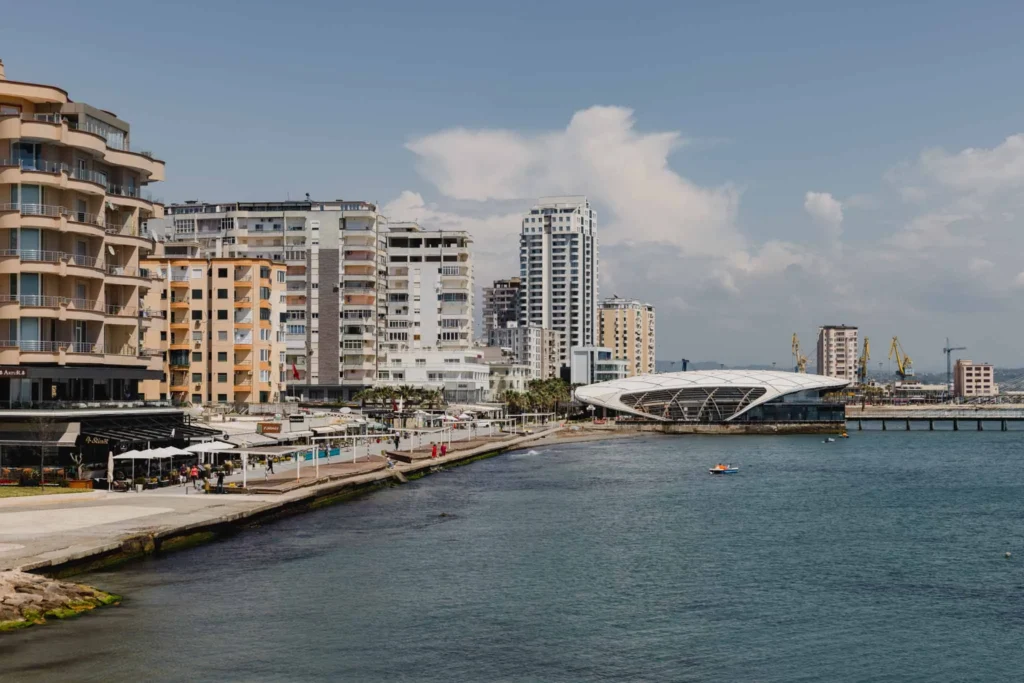
Standing at the crossroads where ancient history collides with Mediterranean coastal charm, Durres reveals itself as Albania’s second-largest city—a place that defies simple categorization. Located merely 40 minutes from Tirana, this Adriatic gem presents an intriguing paradox: it’s simultaneously an archaeological treasure trove and a modern resort destination. The city’s dual identity stems from over 2,000 years of continuous habitation, with layers of Greek, Roman, Byzantine, and Venetian influences visible in its crumbling monuments and bustling port operations.
During my extended stay exploring Albania’s coastline, I found Durres particularly fascinating precisely because it doesn’t fit the typical tourist mold. Unlike the postcard-perfect beaches of Ksamil or the overwhelmingly historic ambiance of Berat, this city offers something more nuanced—a lived-in authenticity where locals outnumber foreign tourists, where maritime trade shapes daily rhythms, and where you can stumble from a 2nd-century amphitheater into a beach bar serving fresh mussels within minutes. The Port of Durres, Albania’s largest and a major hub for regional maritime trade and transportation, dominates the economic landscape, giving the city an industrial edge that contrasts beautifully with its resort town aspirations.
What initially drew me here wasn’t ambitious planning—truth be told, Durres wasn’t atop my month-long Albanian road trip itinerary. Rather, I needed somewhere to decompress after weeks of relentless sightseeing, a place offering both cultural substance and the option to simply relax. The city delivered exactly that balance, proving that sometimes the best travel experiences emerge from unplanned stops.
Explore the Durrës Amphitheater
Table of Contents
ToggleWalking through residential neighborhoods, you’d never expect to round a corner and confront one of the Balkans’ largest Roman ruins. Yet that’s precisely the surreal experience awaiting visitors to the Durres Amphitheater. This massive structure, dating back to the 2nd century AD under Emperor Trajan’s rule, once accommodated 20,000 spectators who gathered for gladiator fights and various ancient games. Its discovery in 1966 was somewhat accidental, revealing how layers of modern life had literally built overtop centuries of buried history.
The amphitheater’s current condition sparks mixed reactions. Spending roughly 30 minutes wandering the grounds, I appreciated seeing such substantial ancient Roman sites preserved in Albania, even if the preservation doesn’t match what you’d encounter in Italy. The structure sits right next to the new mosque, close to the promenade, making it super easy to walk to during your city explorations. What struck me most was the crumbling, slightly chaotic state of the ruins—there’s no polished museum or formal exhibition here, just open access allowing people to walk around freely. While that’s cool for spontaneous exploration and maintaining affordable entry (tickets cost 300 LEK per adult, with discounts for students and children), I couldn’t help imagining how transformative proper funding could be.
The amphitheater opens daily from 9AM to 6PM, and despite not being in the best shape due to obvious funding issues, it remains the main highlight of Durres. This is unquestionably the historical thing to prioritize if you’re doing one ancient site visit in Durrës. Standing in the center where 20,000 spectators once roared, you’re confronted with a fascinating reminder of Albania’s ancient past—a city center transformed into a monument showcasing Roman imperial ambitions. The site could benefit tremendously from becoming a proper museum, but there’s something authentic about its current rawness, a window into how archaeological preservation works (or doesn’t) in less wealthy nations.
Hang out at Durres Beach
Stretching over 10 kilometers long, Durres beach claims the title of largest and most popular beach in Albania, though that distinction comes with significant caveats. During summer months, this coastline transforms into a resort destination primarily frequented by Albanians, with the main city beach (Durres Beach) getting decidedly crowded throughout June, July, August, and September. The high season brings predictable challenges: expect to spend around 1,000 to 1,500 LEK for two chairs and an umbrella, compared to the 500 LEK I paid for two of us for an entire day during my May visit.
The beach experience varies dramatically depending on where you position yourself along this extensive shoreline. On my first day, staying closer to the city center, the beach felt merely okay—functional but uninspiring, with murky water and dense crowds. Plenty of restaurants and snack shops line the beach, solving the lunch question easily; I ordered pizzas from Alternative Foods Durres, which I’d recommend for casual beachside eating. However, the real discovery came on my second day when I drove south toward Plazhi I Golemit near Hotel Grint. This section proved cleaner, quieter, and significantly more appealing, despite offering less restaurant options. The closest part of Durres beach sits about a 50-minute walk from the center of Durres, necessitating either a taxi or rental car—I drove, which took roughly 10-15 minutes, with parking easy to find on the main street on the other side of the beach.
For those seeking alternatives, heading further out toward Golem or Lalëzi Bay reveals quieter spots with clearer water. This long stretch of sandy beach won’t deliver the jaw-dropping Mediterranean perfection found further south in Albania, but it provides a great place to relax for those not expecting pristine, crystal-clear conditions. The mix of private and public beaches means you’ll find varying levels of service and cleanliness. Understanding that Durres functions as a city beach—practical rather than paradisiacal—helps set appropriate expectations. The water gets warm during summer, making it great for families with its shallow entry, and the beaches are fairly clean, though you absolutely shouldn’t expect the unspoiled coastal magic that defines Albania’s southern reaches.
Visit the Venetian Tower & Durres Castle Remains
Durres castle’s history stretches back to the 5th century during the Byzantine empire, when it functioned as a powerful fortress protecting this strategic port. Today, only a wall and tower remain from that extensive defensive system, offering a somewhat melancholic glimpse into medieval military architecture. The Venetian Tower itself—a circular stone tower erected by the Venetians during the 15th century—originally formed part of the city’s defensive walls, one of the few remaining parts of that medieval fortification network still standing.
You can climb to the top of the tower for views overlooking the sea and city, though at roughly 30 feet (9 meters) tall, the perspective remains limited. Located super tall near the promenade, it’s worth checking out and easy to fit into your walk around town. However, during my visit to Durres in May, the tower wasn’t open, so I simply walked by and checked it out for a minute from the outside. This experience proved fairly typical—don’t expect much because there’s only the tower and a portion of wall remaining. It’s worth a glance and potentially a climb to the top if open, but you won’t need to spend much time here.
The modest remnants serve as a reminder of how thoroughly history can be erased or buried. While not super tall, this old tower represents important pieces of Durres’ layered past—Byzantine foundations, Venetian modifications, centuries of weathering and neglect. You’ll get a nice little view of the city and Adriatic coast from the top when accessible, making it a pleasant five-minute detour rather than a destination unto itself. The castle remains and tower won’t overwhelm you with grandeur, but they provide context for understanding how this strategic coastal location attracted successive waves of conquerors, each leaving architectural traces before time reduced their fortifications to picturesque ruins.
Check Out the Archaeological Museum
The Durres Archaeological museum holds the distinction of being the largest museum in Albania, housing an extensive collection of artifacts spanning from the prehistoric period (over 3,000 years ago) through the 4th century. This institution ranks among the top things to prioritize in Durres for anyone seeking to dive deeper into the city’s history beyond simply wandering ruins. The museum is packed with artifacts from ancient Illyrian, Greek, and Roman times, offering a systematic journey through Albania’s archaeological heritage.
Walking through the galleries, you’ll encounter everything from ancient pottery and sculptures to intricate mosaics, most notably from the Hellenistic and Roman periods. These everyday objects and artistic pieces provide a glimpse into what life looked like centuries ago in this important Adriatic port. The museum showcases an impressive array of local archaeological findings, including statues and detailed mosaics that contextualize the ruins you’ll see scattered throughout the city. This is the place to understand how Durrës evolved from its ancient Greek founding through Roman prominence and beyond.
I recommend spending around 1.5 to 2 hours exploring the museum to properly absorb the material. Entry costs 300Lek (approximately US$3), making it remarkably affordable, with opening hours from 9am to 3pm. The museum succeeds in taking visitors on a comprehensive journey throughout Albania’s history, organizing artifacts in ways that illuminate cultural continuity and transformation. While the presentation might lack the sophisticated multimedia approaches of Western European museums, the quality and breadth of the collection compensates significantly. For history enthusiasts, this museum provides essential context that transforms random architectural fragments around the city into coherent historical narratives, revealing how waves of civilizations each contributed layers to Durres’ complex cultural identity.
Walk Along the Durres Promenade
From the city center, make your way toward Sfinski along the waterfront walkway, where the entire atmosphere shifts dramatically. This area, surrounded by modern buildings, gives you the definite feeling of being in a resort town rather than an industrial port city. The promenade is lined with palm trees and well-kept gardens, creating a surprisingly Mediterranean ambiance. Along the way, you’ll pass a ton of beach bars and restaurants—a perfect place to relax, grab a drink, and enjoy the views of the Adriatic Sea stretching toward the horizon.
The waterfront promenade represents one of the best spots in town for an easy stroll, especially in the evening when locals emerge for their daily social rituals. It’s lined with cafés, restaurants, and bars where you can grab a drink and watch the sunset over the Adriatic Sea. Locals love coming here to hang out, making it a good way to feel the pulse of everyday life in Durrës rather than experiencing only tourist-focused attractions. This is where the city truly comes alive, where you can observe people hanging out in relaxed social mode.
One of the restaurants I visited along this stretch was Il Pirata Tur Fosa, which I definitely recommend for anyone seeking a fantastic local experience. The place proved affordable and authentic, with their kofte being incredibly tasty. Surprisingly, they also serve frog legs, which represent their specialty—it might sound crazy initially, but they’re absolutely worth trying if you’re adventurous. The promenade experience isn’t just about the physical walkway; it’s about participating in a social ritual where the city collectively exhales, enjoying the cool sea breeze and coastal views. Whether you’re seeking dinner, drinks, or simply people-watching, this waterfront area delivers an accessible slice of local Albanian life.
Check Out the Royal Villa of Durres
The Royal Villa of Durres, commonly known as King Zog’s Palace, stands as a historical landmark offering a glimpse into Albania’s brief monarchical period. Built during the 1930s as a summer palace for King Zog—Albania’s first monarch—the palace symbolizes the short-lived monarchy that ruled this country before communism erased such aristocratic institutions. The villa is located on the hills above Durres, set atop an elevated position providing fantastic views of the city and the Adriatic Sea below.
I know many people love this site, and it’s definitely worth visiting, especially considering the entrance fee is merely 200 Lek (roughly 2 dollars). However, I need to be honest: it’s essentially just another sad ruin. The villa itself is quite run-down and poorly maintained, with not much to see inside, making the interior less exciting than you might hope. The building is not open to the public in any meaningful way—you can walk up to it and admire the architecture from outside, but it functions essentially as a modern-day ruin with no significant historical interest beyond its royal associations.
That said, it’s still kind of cool to check out, particularly because the views over Durres are pretty awesome. Because the villa sits atop a hill, you can enjoy amazing perspectives of the city sprawling below and the Adriatic coast extending into the distance. For two dollars, it’s worth the brief visit, though you should adjust expectations accordingly. The Royal Villa represents Albania’s complicated relationship with its own history—periods of monarchy, fascism, communism, and post-communist transition have left physical structures abandoned between eras, neither fully preserved nor completely demolished. This ambiguous state of preservation (or decay) tells its own story about a nation still negotiating which aspects of its past deserve commemoration and investment.
Take Day Trips from Durres
Durres’ central location makes it a great spot for day trips throughout northern and central Albania, with numerous fascinating destinations accessible within one to two hours by car. This strategic positioning allows you to use the city as a comfortable base while exploring the region’s diversity.
Kruja sits located 44 km (approximately 50 minutes by car) northeast of Durres, representing one of my favorite places to visit in northern Albania. The city is famous for its ancient shopping bazaar, iconic castle, and Skanderbeg museum dedicated to Albania’s national hero. You really only need a half-day here to see everything in the city, making it perfect for morning or afternoon excursions. I suggest spending time shopping for local goods—handwoven rugs, olive wood tools, and much more traditional crafts. In my opinion, Kruja stands as the best place in Albania to buy local crafts and souvenirs, far superior to generic tourist shops elsewhere.
Cape of Rodon lies located 49km north of Durres (roughly 1h10min by car), offering a stunning destination featuring rugged coastline, an old church, and the ruins of a 15th century castle built by Albania’s national hero, Skanderbeg. This represents a perfect day trip for nature lovers seeking dramatic coastal landscapes. I spent a day there and found hiking trails and gorgeous sandy beaches surrounding the area, making it an ideal spot to enjoy a morning outdoors. If you visit in the afternoon, you can catch the beautiful sunset, which is definitely worth seeing. There’s also a small, local bar/restaurant where you can enjoy dinner and beers while watching the sunset—a great way to end your visit to this wild, unspoiled stretch of coast. The cape gives more nature park vibes with roaring waves and cliffs rather than typical beach town atmospherics.
Tirana, Albania’s capital, is located 36km (approximately 30 minute drive) east of Durres. I would recommend taking public transportation into Tirana, as parking and the roads there are decidedly chaotic. Spend the day exploring some of the city’s main highlights, such as Bunk’art (the fascinating museum in a former nuclear bunker), Skanderbeg Square (the massive central plaza), and the National Historical Museum. Tirana offers a completely different urban energy—more cosmopolitan, more hectic, more architecturally experimental than Durres’ seaside casualness.
Berat sits located 90km (1.5 hours) southeast of Durres, ranking among my favorite cities in all of Albania. Known as the city of a thousand windows due to its distinctive Ottoman architecture, the ancient city is filled with historical sights and charming streets climbing steep hillsides. Eat some local Albanian food at one of my favorite local restaurants, such as Homemade Food Lili, and explore Berat Castle perched dramatically above the town. This day trip from Durres delivers the concentrated historical atmosphere that Durres itself lacks. Don’t have a car? Book a day trip from Durres to Berat with a local guide—transportation is included, eliminating logistical stress.
Go Wine Tasting in the Surrounding Countryside
The countryside surrounding Durres is filled with gorgeous vineyards and wineries that remain surprisingly underappreciated internationally. The region around Durres is well known within Albania for its vineyards, benefiting from hilly countryside and Mediterranean heat that creates conditions perfect for growing seriously good wine. Albania produces some seriously underrated wine overall, and the Durrës area represents one of the country’s key viticultural zones.
I spent a night at Agroturizem Gjepali, a gorgeous property that’s locally owned where you can enjoy a fantastic multi-course meal with wine pairing featuring Albanian wines. The property itself is beautiful, with a historic estate building that gives it considerable charm. They serve authentic Albanian cuisine, and their wines? So good—surprising depth and character that challenges assumptions about Balkan wine quality. Our dinner here was one of the best I had in all of Albania, combining excellent food, wines, and hospitality in ways that felt genuinely special rather than performatively touristic.
The hotel rooms are super spacious, and the whole stay felt really special, yet surprisingly affordable—rooms start at around $35–$40 per night, which is a steal for the experience you receive. Make sure to book in advance to ensure you get a spot, as this agrotourism destination has gained popularity among knowledgeable travelers. If you’re into wine and want a relaxing stay just outside the city, this place is definitely worth checking out. Beyond Gjepali, several other nearby wineries welcome visitors, offering tastings and meals amid vineyard settings.
The wine country experience provides a crucial counterpoint to beach and archaeological activities—an opportunity to appreciate Albania’s agricultural traditions and contemporary rural tourism development. Get the chance to visit a winery, or at least try some local bottles at dinner in town, to understand this underexplored dimension of Albanian culture.
Try the Local Food & Fresh Seafood
Due to its ideal coastal location, Durres is renowned throughout Albania for fresh and affordable seafood. If you’re looking for one of the best places in the country to eat excellent fish, Durres is undoubtedly the place to do it. Restaurants bring in freshly caught fish and serve everything from codfish to sea bass, shrimp, crab, and much more, all reasonably priced compared to other European countries. The Adriatic coast location gives Durrës great seafood restaurants that capitalize on daily catches and centuries of culinary tradition.
I personally loved all of the seafood with pasta varieties—the way Albanian cooks combine Mediterranean techniques with local ingredients produces surprisingly sophisticated results. Definitely try the grilled fish, fresh mussels, and local specialties like byrek (a savory pastry) or tave kosi (baked lamb with yogurt). These dishes represent authentic Albanian cuisine beyond the seafood focus, showcasing regional flavors and traditional preparation methods.
I went to a place called Meison Bistro for dinner, and I have to say they serve the best seafood I’ve had in quite a while. It’s definitely a bit upscale by Albanian standards, but the prices remained fair, and the food was absolutely delicious. The presentation and flavors demonstrated culinary ambition while maintaining connection to local ingredients and traditions. Check out restaurants throughout town for recommendations on where to get the best seafood in Durres, Albania—you’ll find options ranging from casual beachside grills to more formal dining establishments, all benefiting from access to the same fresh catches.
See the Durres Mosque
Located in the historic center of Durres, specifically in Illyria Square (the main square in Durres), the Durres Mosque—also known as the Grand Mosque—functions as a significant religious and historical site that cannot be missed during city explorations. Originally opened in 1938 and built by Italian architects, the Grand Mosque has experienced an extraordinarily turbulent past that mirrors Albania’s twentieth-century upheavals.
During the communist times in the 1960s, Albania’s totalitarian regime declared itself the world’s first atheist state, systematically destroying or repurposing religious buildings. This mosque was converted into a youth center where it hosted performances on the main floor and became a restaurant on the upper floor. Much of the interior was destroyed, damaged, or altered during this period, erasing sacred decorations and architectural elements. In 1979, the mosque suffered further damage in a devastating earthquake that struck the region.
Finally, in 1993, following communism’s collapse, the Durres Mosque was reopened as a religious center and is currently an active place of worship serving the city’s Muslim community. The building’s survival—however altered and damaged—represents Albania’s complex negotiation with its religious heritage after decades of enforced secularism. Standing in Illyria Square, the mosque’s presence reminds visitors that Durres’ history encompasses not just ancient Greek and Roman periods, but also Ottoman Islamic influence and modern political transformations. The structure embodies resilience, having been repurposed, damaged, and ultimately restored to its original function, offering a powerful symbol of cultural continuity despite systematic attempts at erasure.
See the Byzantine Forum
The Byzantine Forum in Durrës is an archaeological site dating back to the 5th century, representing the city’s importance during the Byzantine era when it served as a major eastern Mediterranean port. This ancient marketplace is characterized by its circular layout and central courtyard, revealing how the Byzantine forum functioned as a bustling center of commerce and social interaction centuries ago.
Unfortunately, the site is currently not in the best shape—a recurring theme with Durres’ archaeological heritage. It’s surrounded by a fence, meaning you’ll simply have to enjoy this ancient history from afar without direct access. When I visited, there was a large fence around the site, and it wasn’t accessible for close exploration. The ruins also seemed quite small, and there wasn’t much to see overall from the perimeter. This represents a quick visit that shouldn’t take more than 15-20 minutes of your time.
If you have some spare time, you can visit the Byzantine Forum in Durres—it’s part of the ancient city center and an important piece of Durres’ history. However, it might be worth a visit only if you have extra time, as it’s definitely not a must-see attraction given its current condition and limited accessibility. The site showcases how challenging archaeological preservation becomes in urban environments where modern construction surrounds ancient remnants. While the Byzantine forum deserves recognition for its historical significance, the practical reality disappoints—another example of how funding constraints limit what visitors can meaningfully experience.
Hang Out at Sfinksi
Sfinski, also known as Cape Square of Durres, presents a unique structure made up of a set of concrete stairs descending toward the waterfront. It marks the end of the promenade and functions as a wonderful spot to relax and enjoy a bit of people watching. The views of the city and sea from here are amazing, offering an unstructured, democratic public space where locals and visitors mix freely.
I took my towels and books and laid out on the steps for an hour or so, joining others engaged in similar leisurely pursuits. I watched some fishermen catch a few fish, read my books, and enjoyed the cool sea breeze—the kind of unplanned, unhurried experience that often defines the best travel moments. Sfinksi doesn’t appear in most guidebooks as a formal attraction, yet it embodies exactly what makes Durres appealing: genuine public space where the city’s social life unfolds naturally.
The concrete stairs might seem architecturally unremarkable, but they create graduated seating facing the Adriatic, transforming a simple waterfront edge into communal theater. During summer, there’s a floating pier nearby where you can jump into the ocean—super fun for kids and adults seeking spontaneous swimming. This spot represents Durres at its most authentic, where tourism infrastructure meets everyday civic life without clear boundaries. You won’t find souvenir vendors or entry fees, just people enjoying proximity to the sea in companionable silence or conversation.
Wander the Streets with the Locals
Although Durres is considered an ancient city in Albania, nowadays the city is filled with modern buildings and amenities that create an interesting temporal collage. Join the locals for the daily “xhiro”—a leisurely walk outside before sunset that represents a cherished Albanian social tradition. The city comes alive at this time with people hanging out in Illyrian Square, the city’s main square, and along the waterfront promenade, engaging in unhurried socializing that contrasts sharply with the rushed efficiency of Western urban life.
Durres feels a bit like a maze, with streets that don’t follow obvious logic or grid patterns. I enjoyed turning down some smaller streets to get a taste of the quieter side of the city, discovering neighborhood life beyond tourist circuits. These wanderings revealed how Durres functions as a lived-in city where people conduct ordinary routines—shopping at local markets, arguing about football, sitting in doorways watching the world pass.
Durres is a popular destination for Albanian tourists, but not as much for foreign tourists, creating an atmosphere where you’ll get a real sense of local Albanian life rather than a sanitized tourist experience. Wandering around the city represents one of the best ways to experience this authenticity. You’ll encounter modern buildings alongside crumbling Ottoman-era structures, Chinese-built infrastructure adjacent to Italian colonial remnants—architectural palimpsest revealing waves of investment, neglect, and redevelopment. The locals are all super friendly and helpful, generally pleased rather than annoyed when foreign visitors show interest in their city beyond the major monuments. This unstructured exploration often yields more memorable insights than checking off formal attractions.
Check Out Some of the Other Beaches Nearby
One of the main things to do in Durres involves going to the beach, but Durres beach itself isn’t your only option. There are plenty of other beaches nearby worth visiting if you’re seeking variety or specific qualities. Here are a few of my recommendations for alternative coastal experiences:
Spille Beach, known for its beautiful white sandy beach, is filled with bars and restaurants, offering a nice escape from the busier beaches closer to Durres. The sand quality here surpasses the main city beach, and the atmosphere feels slightly more resort-focused without being overwhelmingly developed.
Lalzi Bay Beach ranks among the most popular beaches in this part of Albania. You’ll find plenty of bars and restaurants as well as water sports available here. Located roughly 45 minutes north, Lalzi Bay has some of the clearest water near Durrës—much clearer than the main city beach, making it worth the drive. However, during peak season, this beach also gets very busy, mainly with Albanian tourists seeking the same improved conditions.
Kallmi Beach, positioned just north of Durres, offers a small and secluded beach that provides a nice escape from the crowds. If you’re looking for a bit of peace and quiet, this is the place to go. The undeveloped character means fewer amenities, but greater tranquility—ideal for those preferring natural settings over organized beach clubs.
This range of nearby beaches allows you to customize your coastal experience based on your priorities: convenience versus seclusion, development versus wilderness, clear water versus easy access. Each beach possesses distinct character, shaped by its distance from the city center and level of commercial development. The great choice is having options—you’re not locked into the main Durres beach if its crowds or water quality disappoint.
Enjoy the Views from the Hills
Up on the hill, near the Royal Villa of Durres, you’ll find some great viewpoints overlooking Durres and the Adriatic Sea that reward the modest climb. Walk towards the lighthouse, or discover some of the concrete bunkers scattered around the hill while taking in the views—these Cold War-era defensive structures add surreal punctuation to the landscape. Albania built hundreds of thousands of these mushroom-shaped bunkers during the paranoid communist period, and many remain scattered throughout the country as inadvertent monuments to authoritarian delusion.
I recommend walking to specific viewpoints where the perspective shifts, revealing how Durres sprawls between mountains and sea, how the port operations dominate the northern waterfront, how the beach developments extend southward. These elevated positions provide geographic context that’s impossible to grasp at street level. The views encompass both the city’s ancient heart and its modern resort ambitions, ancient ruins and contemporary construction projects, industrial infrastructure and recreational beaches—all the contradictions that make Durres fascinating rather than simply pretty.
The lighthouse walk offers pleasant afternoon activity when beach or archaeological sites lose their appeal. Taking in the views becomes its own reward, requiring no entry fee or guided explanation—just visual comprehension of landscape and cityscape, sea and shore, past and present existing in uneasy coexistence.
Visit the Byzantine Forum (Alternative Perspective)
Returning to the Byzantine Forum from a different angle: if you have spare time and archaeological enthusiasm, you might visit this site despite its limitations. It’s part of the ancient city center and an important piece of Durres’ history, even if the current presentation disappoints. Unfortunately, the ruins are not in the best condition—when I visited, a large fence surrounded the site, preventing direct access. The ruins seemed quite small, and there wasn’t much to see overall from the permitted viewing distance.
This might be worth a visit if you have extra time and specific interest in Byzantine urban planning, but it’s definitely not a must-see attraction for general visitors. The circular layout and central courtyard design are historically significant, revealing how Mediterranean cities organized commercial and social spaces during the Byzantine era. However, the gap between historical importance and visitor experience remains frustratingly wide—a common challenge with archaeological sites lacking resources for proper development.
The Byzantine forum represents what Durres could be with greater investment: a city where layered history becomes accessible and comprehensible rather than merely present but illegible. For now, this quick visit of 15-20 minutes maximum offers architectural enthusiasts a chance to glimpse fifth-century urban design, while general tourists might reasonably skip it without missing essential experiences.